

News

Miro: A New Standard in Responsible Innovation

Miro: A New Standard in Responsible Innovation The Miro monitor arm is setting new benchmarks in sustainability. It offers a high-performance solution without compromising on environmental responsibility. Designed with careful material selection, local sourcing, and longevity in mind, Miro’s responsible approach to design and unique manoeuvrability set it apart from the competition. Sustainable Choices Miro is crafted from energy-efficient materials with a lower carbon impact....

Read more
HSE Advisor

Role Purpose Support in the development, implementation and maintenance of the company’s Health, Safety & Environmental policies, processes, operational procedures, and standards.  Ensuring best practice and championing a continually improving HSE culture within the business. Key Responsibilities Liaise with and provide support to all areas of the business to eliminate, mitigate or reduce identified HSE exposures. Partner with the production management team and team leaders,...

Read more
CMD Ltd LAUNCHES 48-HOUR TURNAROUND ON BETATRAK® RAPID ORDERING SERVICE

CMD Ltd, the specialist in power distribution systems, workstation power and monitor arms, has launched a rapid ordering service for its Betatrak® underfloor powertrack distribution systems and accessories, with a commitment to delivering within 48-hours of an approved purchase order*. The service enables customers to order up to 50 lengths of Standard or Clean Earth (C/E) low noise Betatrak, along with up to 25 feed...

Read more

CMD INVESTS £1/4 MILLION IN NEW MACHINE AS PART OF FACTORY UPGRADE

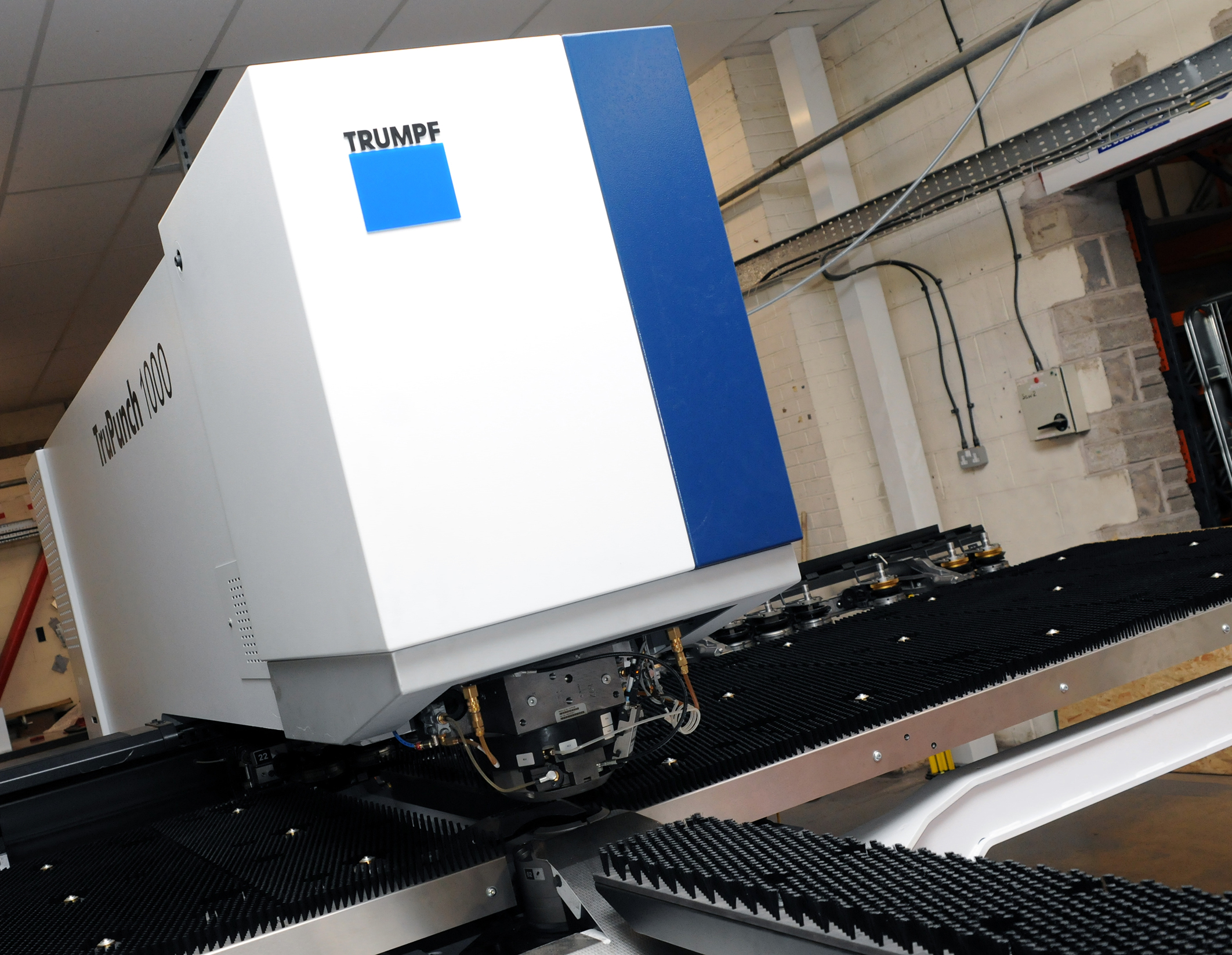
We have invested in a new £1/4m TRUMPF CNC metal punch as part of an asset renewal strategy for our UK manufacturing capability. The new machine will be used in the production of a wide variety of our power distribution systems and workstation power products at our Rotherham factory. Suitable for handling sheet metal between 0.9mm and 3.0mm thick, the new machine will replace one...

Read more
CMD CATALOGUE PROVIDES TECHNICAL POWER DISTRIBUTION GUIDE

CMD Ltd has released a new catalogue, providing an easy to follow technical guide to our power distribution systems and plug and play desk modules. Detailing CMD’s full range of UK-manufactured power distribution systems and plug and play desk modules, the catalogue will be a helpful source of information to M&E engineers and contractors alike to understand how our power distribution systems connect together and...

Read more
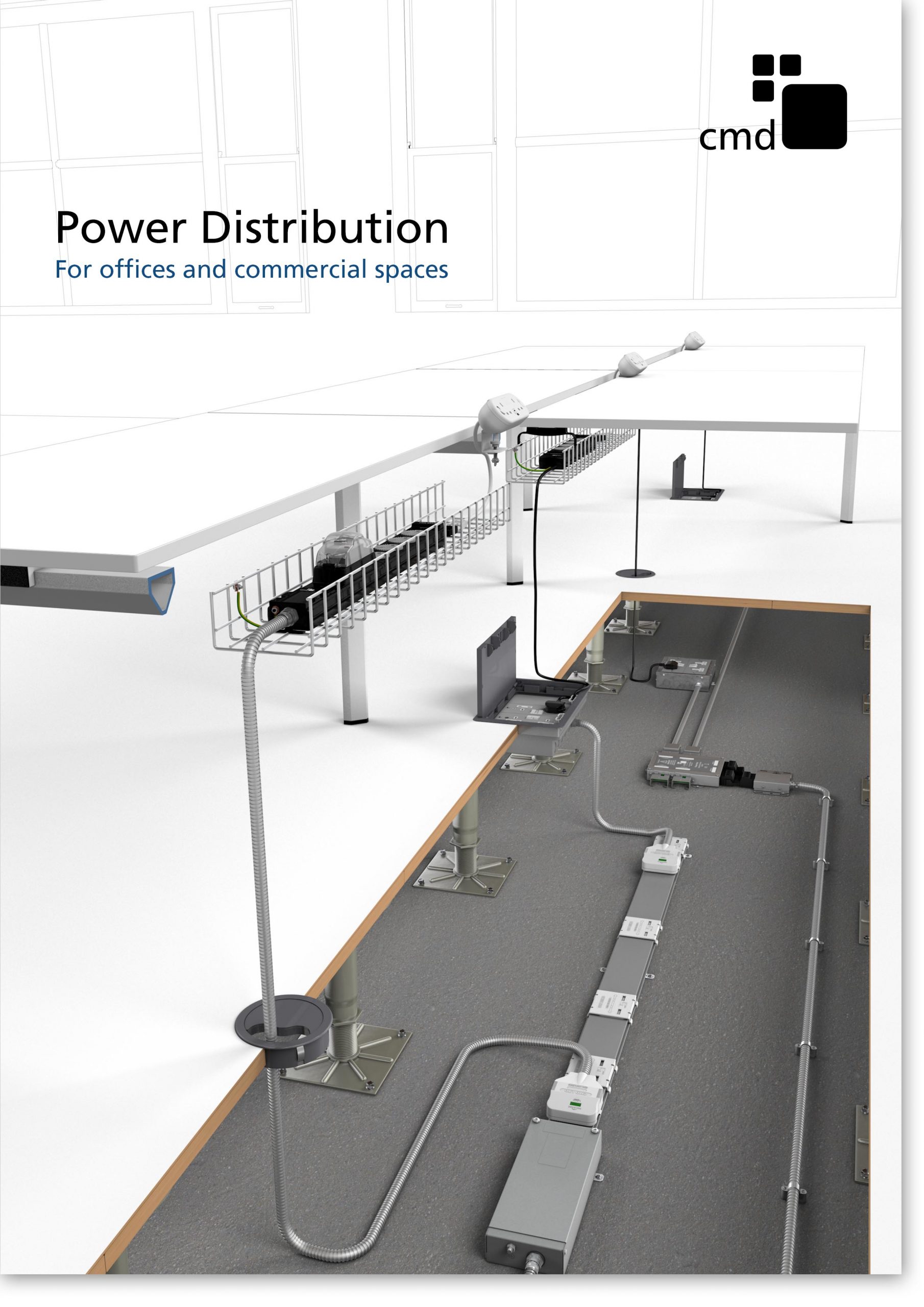
Power Distribution Catalogue
CMD Ltd PLAYS ESSENTIAL ROLE IN ELECTRICAL FIT OUT AT LONDON’S PRESTIGIOUS OFFICE DEVELOPMENT

CMD Ltd, specialist in workplace connectivity and ergonomic solutions, has provided a flexible and high-quality power distribution network for The Ray, a prestigious office development in London’s Farringdon. Well-known for being the former site of The Guardian newspaper, The Ray now stands as an 83,000ft² office development characterised by a modernised warehouse aesthetic, with level two now occupied by a global social media company. The...

Read more

The Ray
CMD plugs in to european opportunity with Schuko Capsule unit launch

CMD Ltd, the specialist in power and connectivity solutions for commercial environments, has launched a Schuko version of its popular fixed format Capsule workstation power module for export to mainland Europe and beyond. A popular on desk power module comprising two sockets and dual USB (type A and C) chargers, CMD’s Capsule unit is already widely specified in the UK as an off-the-shelf workstation power...

Read more
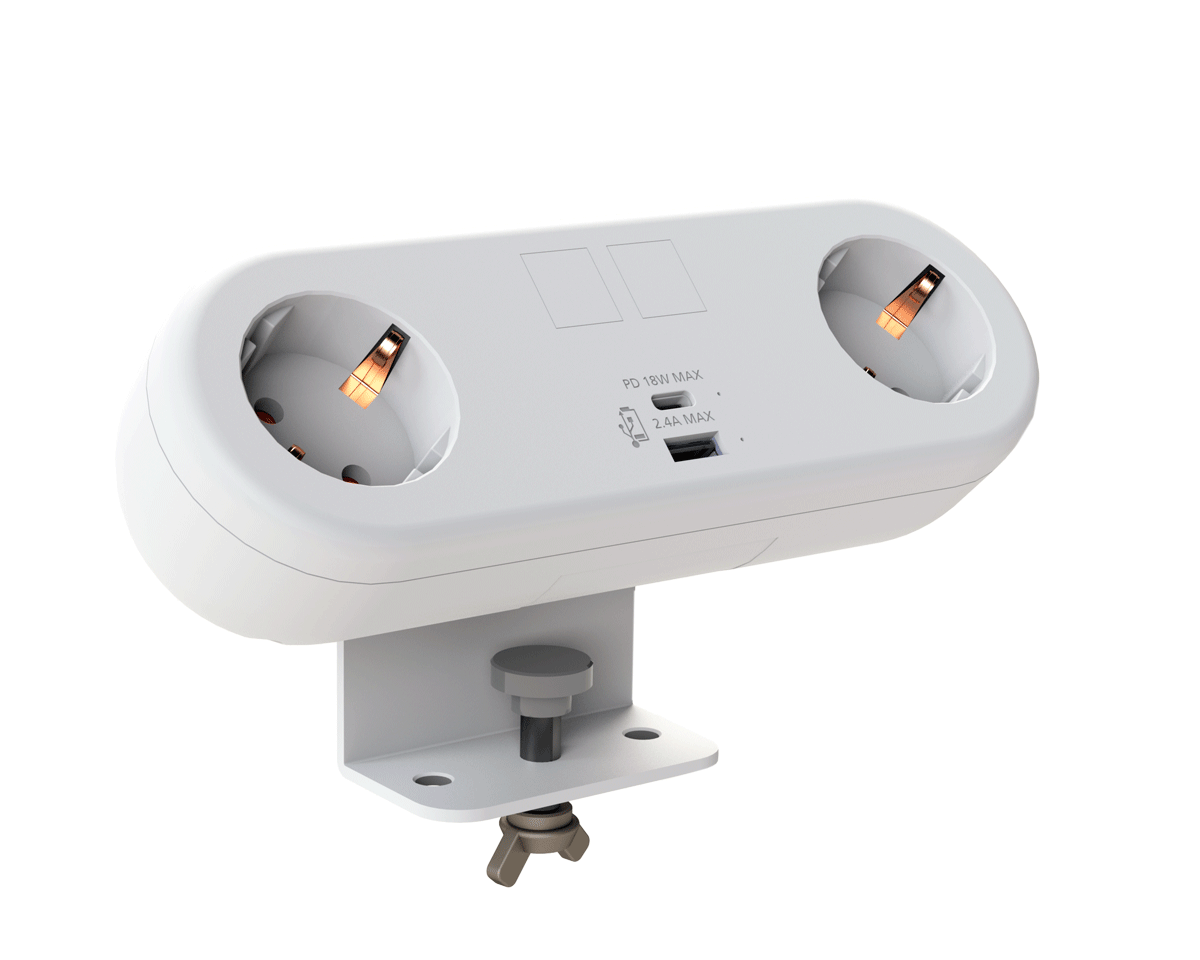
CMD White Schuko Capsule Desk Power Module
CMD LTD EXTENDS MONITOR ARM RANGE WITH THE LAUNCH OF REACH PLUS

CMD Ltd, the specialist in ergonomic and connectivity solutions for commercial interiors, has completed its Reach monitor arm range with the launch of the Reach Plus. Available in single or dual screen options, the Reach Plus has been designed to provide an ideal solution for both single and dual screen workstation configurations, or can be used with next generation of large format curved screens. Suitable...

Read more

CMD Ltd DEMONSTRATES THE ART OF POWER DISTRIBUTION AT THE UNIVERSITY OF WARWICK

CMD Ltd, the specialist in workplace connectivity and ergonomic solutions, has provided Betatrak busbar power distribution and a range of electrical accessories for two major capital investment projects at the University of Warwick. Designed by Fielden Clegg Bradley Studios, the £33 million Faculty of Arts building is a showpiece development comprising four interconnected structures set around a central atrium, which will enable inter-disciplinary collaboration across...

Read more

University of Warwick
CMD BRINGS HARMONY TO COVENTRY UNIVERSITY RESEARCH FACILITIES

CMD Ltd, the specialist in power distribution solutions and workstation power and ergonomics, has provided under desk and on desk power modules for the refurbishment of three Coventry University research buildings. Located on Coventry University Technology Park, a business park designed to encourage collaboration between the university and knowledge-based businesses, the three buildings are being repurposed as office accommodation for university research teams. The refurbishment...

Read more

Coventry University

What Are the 2026 Top Reciprocating Compressor Types?

Choosing the right Reciprocating Compressor in 2026 is no longer a simple capacity comparison. Plants now assess pressure ratio, gas composition, energy use, maintenance access, and emissions targets. A compact unit may suit a workshop, while a heavy-duty double-acting machine can support continuous pipeline service. The difference becomes visible in practice. Valve noise, cylinder temperature, vibration, and oil traces often reveal more than a brochure.

This guide examines the leading reciprocating compressor types expected to influence purchasing decisions in 2026. It covers single-acting and double-acting designs, diaphragm compressors, oil-free models, and electrically driven packages. Each type offers a practical advantage. None is universally best. That matters. Selection depends on the gas, duty cycle, discharge pressure, and available service skills. Field experience also shows that installation quality can change real performance. Poor alignment, inadequate cooling, or unsuitable lubrication may undermine an excellent compressor.

Some rankings remain debatable. A design that looks efficient on paper may disappoint under frequent starts, dusty conditions, or unstable workloads. Therefore, this overview treats “top” as application value, not popularity alone. It combines operating experience, manufacturer documentation, maintenance considerations, and established engineering principles. Readers should still verify flow, pressure, materials, noise limits, and local compliance requirements before purchasing. Small details matter. The final choice should match the site, not just the catalog.

What Are the 2026 Top Reciprocating Compressor Types?

Reciprocating Compressor Basics and Operating Principles

What Are the 2026 Top Reciprocating Compressor Types?

A reciprocating compressor uses a piston moving inside a cylinder to compress gas. The crankshaft changes rotary motion into controlled back-and-forth movement. During the suction stroke, the inlet valve opens as cylinder pressure falls. The piston then pulls gas into the chamber. During compression, both valves close. Pressure rises as the piston reduces the available volume. The discharge valve opens when cylinder pressure exceeds pipeline pressure.

Common types include single-acting, double-acting, diaphragm, and oil-free reciprocating compressors. A single-acting design compresses gas on one piston side. A double-acting design uses both sides, improving capacity within a similar footprint. Diaphragm units separate the gas from moving components. They suit high-purity or corrosive services. Oil-free models reduce contamination risks, but their seals may require closer inspection. The right choice depends on pressure ratio, flow demand, gas properties, temperature, and duty cycle.

Tips: Check valve plates, piston rings, packing, and lubrication levels during routine inspections. Listen for metallic knocking or uneven pulsation. These signs often appear before a major failure. Install pulsation control where connected equipment needs stable flow. Keep suction gas clean and adequately cooled. In field work, calculations can look perfect, yet vibration still appears. Alignment, pipe strain, or poor support may be responsible. I have found that a simple inspection record sometimes reveals patterns that instruments miss. Temperature readings should be compared with previous operating data, not judged alone.

The Main Types of Reciprocating Compressors in 2026

What Are the 2026 Top Reciprocating Compressor Types?

The Main Types of Reciprocating Compressors in 2026

Reciprocating compressors still serve demanding applications where pressure control matters more than compact size. Their pistons move inside cylinders, compressing gas through repeated suction and discharge strokes. Single-acting models compress gas on one piston side. They suit smaller systems, service equipment, and intermittent operation. Double-acting models use both piston sides. They deliver greater capacity but require careful alignment, sealing, and vibration control.

Lubricated compressors use oil to reduce friction and protect moving parts. They remain practical for many industrial air and process-gas duties. Oil-free compressors separate the compression chamber from the lubrication system. They help protect sensitive gases and clean production areas, although seals may wear faster. Diaphragm compressors use a flexible membrane instead of direct piston contact. They are valuable when gas purity, leakage prevention, or chemical resistance is critical.

The distinction is not always clean. Some machines combine double-acting cylinders with oil-free or diaphragm technology. Field inspections often reveal that operating conditions matter more than the type name. High discharge temperatures, worn valves, and poor condensate control can reduce performance quickly. A compressor may look oversized yet struggle with frequent start-stop cycles. That is easy to miss. In 2026, buyers should compare pressure, flow, gas composition, duty cycle, maintenance access, and noise before choosing. Service records and actual operating data remain more reliable than catalogue ratings alone.

How Compressor Designs Differ by Pressure, Capacity, and Application

What Are the 2026 Top Reciprocating Compressor Types?

How Compressor Designs Differ by Pressure, Capacity, and Application

Reciprocating compressors still serve demanding, low-flow applications. Their piston movement creates high pressure in compact equipment. Single-stage designs suit moderate pressure and intermittent workshop duty. Two-stage models divide compression between cylinders, reducing discharge temperature and improving pressure capability. Oil-lubricated units generally support heavy industrial service. Oil-free designs protect process gases, although they may require closer maintenance.

Capacity changes the design decision. Small air compressors often use one cylinder and direct drive. Larger systems may use V-shaped or opposed-cylinder arrangements for better balance. Diaphragm compressors handle sensitive gases because the diaphragm separates the gas from lubricating oil. They usually deliver lower flow. That trade-off matters.

The U.S. Department of Energy reports that compressed-air systems can consume 10% to 30% of industrial electricity. Efficiency therefore depends on more than motor size. A pressure regulator, receiver tank, and suitable control strategy can reduce wasted cycling. API Standard 618 also emphasizes pulsation control, vibration limits, and reliability for process compressors. These details become critical in refineries, chemical plants, and gas processing facilities.

Hydrogen service demands extra caution. The International Energy Agency’s Global Hydrogen Review 2024 shows hydrogen production is expanding, but low-emission supply remains limited. Compression equipment must therefore manage leakage, heat, sealing, and material compatibility. Field experience suggests that the highest-pressure option is not always the best option. Sometimes, it is simply oversized. There is room for better operating data.

Key Selection Factors for Industrial and Commercial Use

What Are the 2026 Top Reciprocating Compressor Types?

In 2026, leading reciprocating compressor choices include single-stage, two-stage, diaphragm, and oil-free designs. Single-stage models suit moderate pressure and steady workshop demand. Two-stage units handle higher pressure ratios with better control and reduced discharge temperature. Diaphragm compressors protect sensitive gases from oil contamination. Oil-free configurations support clean-air applications, but their seals may require closer inspection.

The right choice begins with the duty cycle, not the catalogue headline. Industrial buyers should record pressure, flow rate, gas composition, ambient temperature, and daily running hours. A compressor operating beside a furnace needs different cooling capacity from one installed in a clean indoor room.

For changing demand, variable-speed control can reduce unloaded running and energy waste. Commercial sites also need compact dimensions, low vibration, and accessible service panels. Noise matters.

Material compatibility deserves careful attention. Wet gas, corrosive vapour, or dusty air can shorten valve and piston-ring life. Ask for expected maintenance intervals, spare-part availability, and verified performance data at your actual operating point. A vendor’s best efficiency figure may not match field conditions. I have seen systems oversized for rare peak demand, causing frequent cycling and unnecessary wear. No selection is perfect. A smaller unit may save energy but struggle during seasonal peaks. Leave room for future capacity, but verify the electrical supply, foundation strength, ventilation, and safety controls before approving the installation.

Emerging Technologies Shaping Reciprocating Compressors in 2026

What Are the 2026 Top Reciprocating Compressor Types?

Emerging Technologies Shaping Reciprocating Compressors in 2026

Reciprocating compressors are becoming more intelligent, efficient, and application-specific. In 2026, sensor-rich models will monitor vibration, valve movement, discharge temperature, and cylinder pressure. Data matters.

Edge-based analytics can detect unusual pressure pulsations before they become costly failures. Digital twins also help engineers compare real operating conditions with expected performance. However, a digital twin is only useful when technicians provide accurate field data and regular calibration.

Variable-speed electric drives are improving control across changing gas loads. They reduce unnecessary cycling and support more stable operation in hydrogen systems, carbon dioxide service, and industrial heat pumps. Electrification can also lower local emissions, although its total environmental benefit depends on the power source.

Advanced valve materials and improved sealing designs are extending service intervals. Some oil-free configurations are attracting attention where gas purity is critical. Diaphragm compressors remain valuable for sensitive gases, while high-pressure single-stage and multi-stage units serve demanding process applications.

Maintenance teams are also using wireless sensors and remote dashboards. A technician can spot a rising bearing temperature before opening the machine. That saves time. Still, automation should not replace inspection. Sensors may drift, communication links may fail, and algorithms can misread unusual operating conditions. Human review remains necessary, especially during startup, rapid load changes, and process upsets.

What Are the 2026 Top Reciprocating Compressor Types?

Emerging technologies shaping reciprocating compressors in 2026

The chart compares representative upper discharge-pressure ranges for major reciprocating compressor configurations. Multistage, diaphragm, and hypercompressor designs support the highest pressures, while oil-free and variable-speed systems are increasingly selected where product purity, efficiency, and flexible operation are critical. Actual performance depends on gas composition, temperature, materials, valve design, and the number of compression stages.

Values are representative engineering ranges rather than market-share figures; pressure capability varies by application and system design.