

News

Miro: A New Standard in Responsible Innovation

Miro: A New Standard in Responsible Innovation The Miro monitor arm is setting new benchmarks in sustainability. It offers a high-performance solution without compromising on environmental responsibility. Designed with careful material selection, local sourcing, and longevity in mind, Miro’s responsible approach to design and unique manoeuvrability set it apart from the competition. Sustainable Choices Miro is crafted from energy-efficient materials with a lower carbon impact....

Read more
HSE Advisor

Role Purpose Support in the development, implementation and maintenance of the company’s Health, Safety & Environmental policies, processes, operational procedures, and standards.  Ensuring best practice and championing a continually improving HSE culture within the business. Key Responsibilities Liaise with and provide support to all areas of the business to eliminate, mitigate or reduce identified HSE exposures. Partner with the production management team and team leaders,...

Read more
CMD Ltd LAUNCHES 48-HOUR TURNAROUND ON BETATRAK® RAPID ORDERING SERVICE

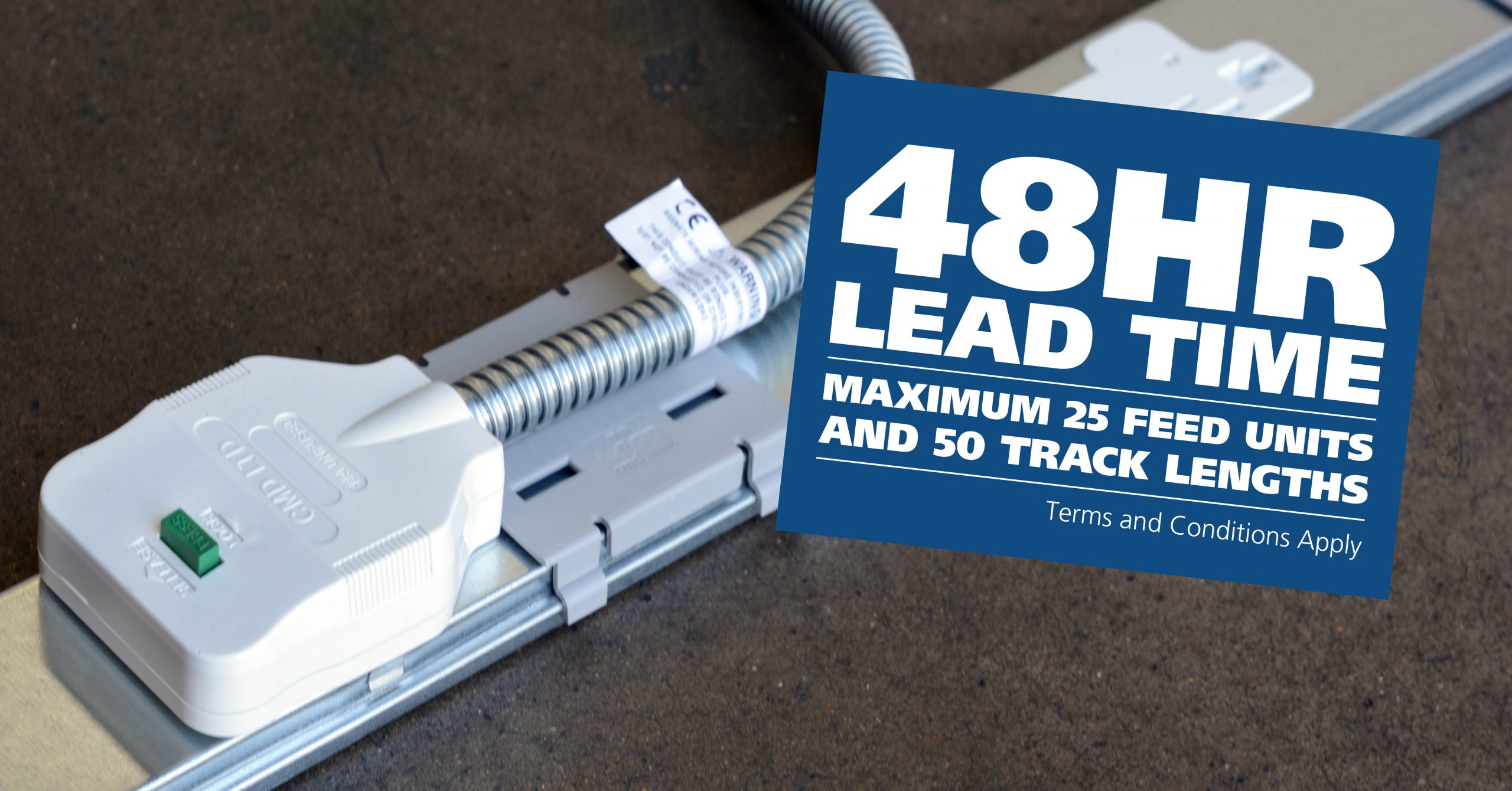
CMD Ltd, the specialist in power distribution systems, workstation power and monitor arms, has launched a rapid ordering service for its Betatrak® underfloor powertrack distribution systems and accessories, with a commitment to delivering within 48-hours of an approved purchase order*. The service enables customers to order up to 50 lengths of Standard or Clean Earth (C/E) low noise Betatrak, along with up to 25 feed...

Read more
CMD INVESTS £1/4 MILLION IN NEW MACHINE AS PART OF FACTORY UPGRADE

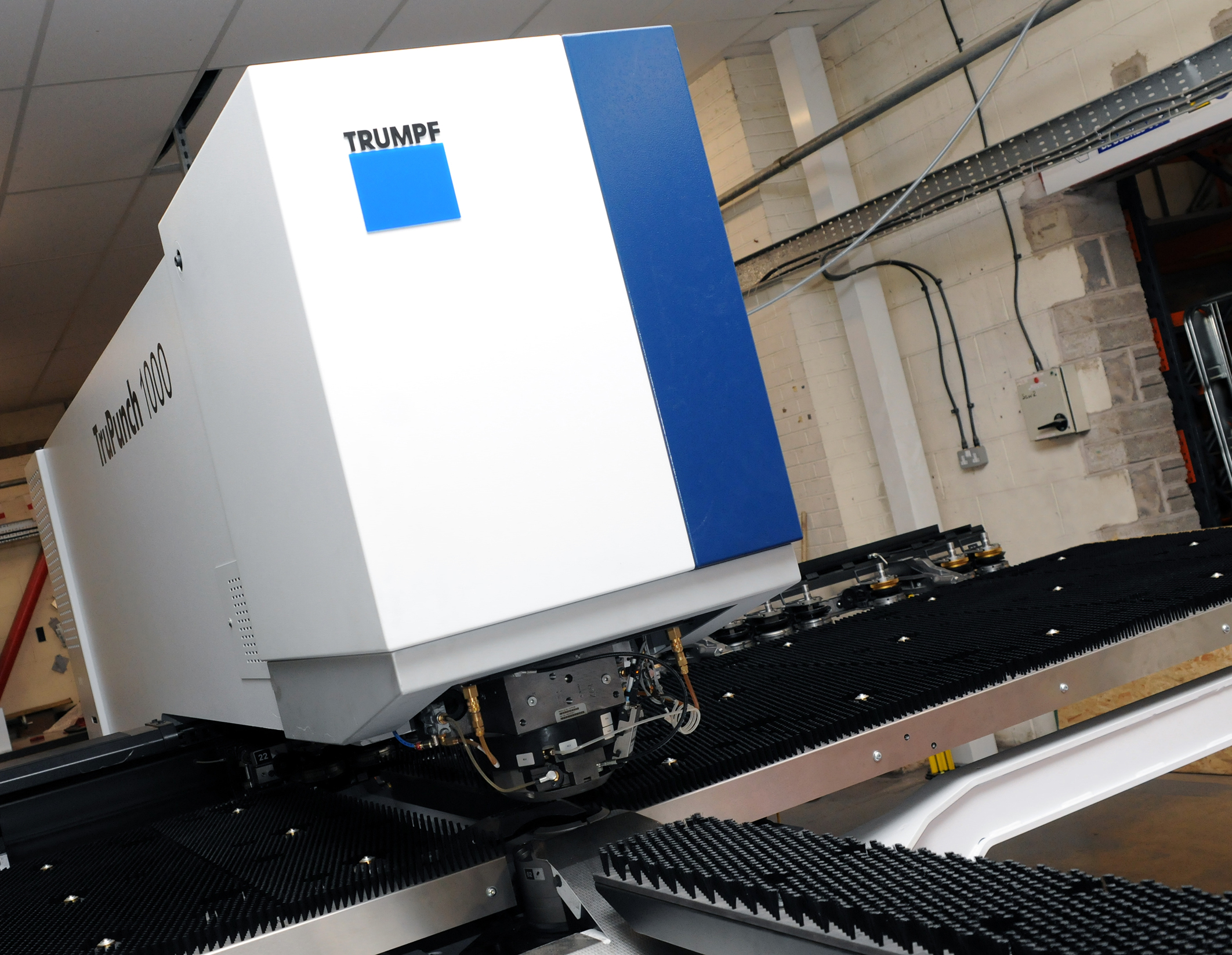
We have invested in a new £1/4m TRUMPF CNC metal punch as part of an asset renewal strategy for our UK manufacturing capability. The new machine will be used in the production of a wide variety of our power distribution systems and workstation power products at our Rotherham factory. Suitable for handling sheet metal between 0.9mm and 3.0mm thick, the new machine will replace one...

Read more
CMD CATALOGUE PROVIDES TECHNICAL POWER DISTRIBUTION GUIDE

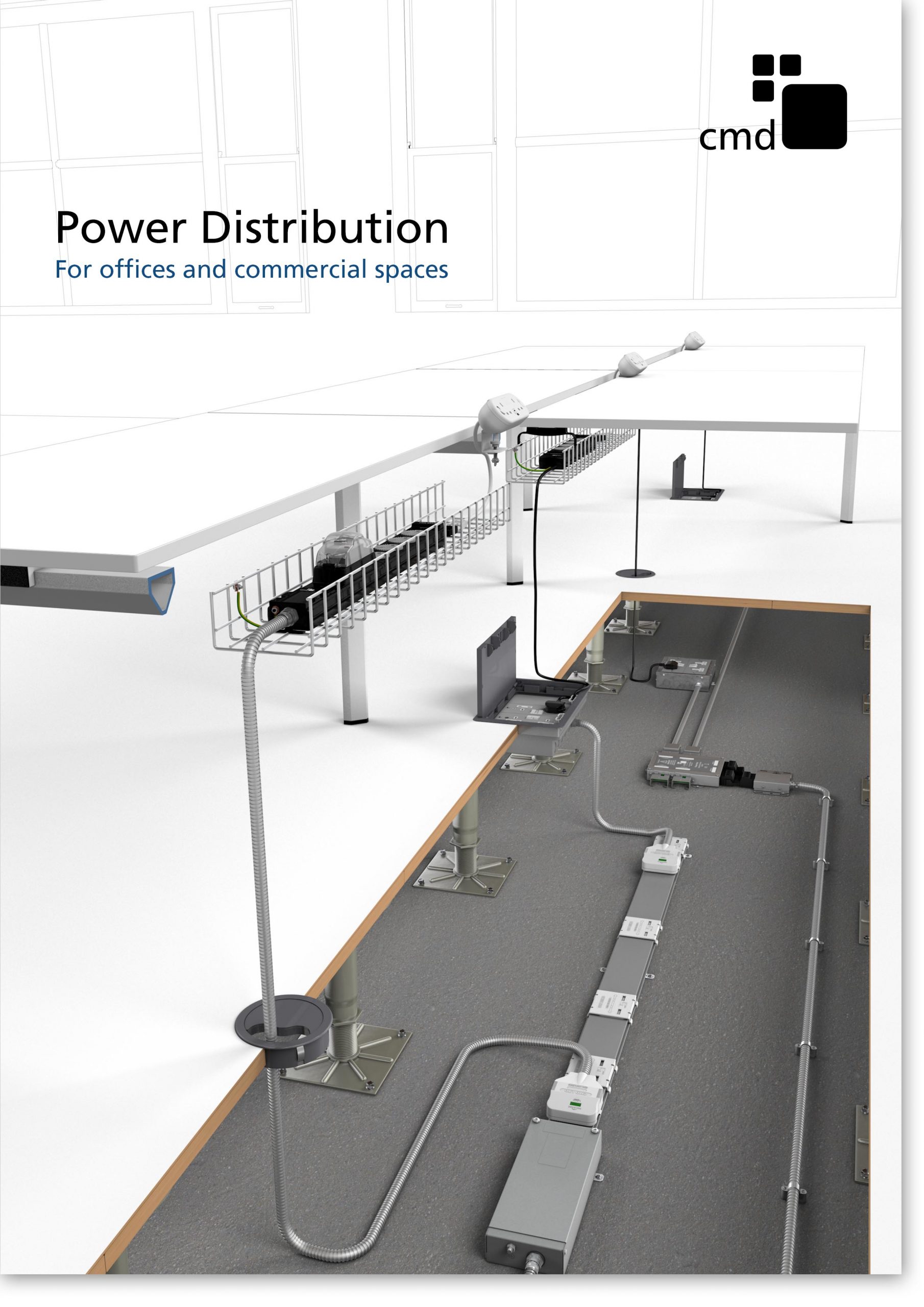
CMD Ltd has released a new catalogue, providing an easy to follow technical guide to our power distribution systems and plug and play desk modules. Detailing CMD’s full range of UK-manufactured power distribution systems and plug and play desk modules, the catalogue will be a helpful source of information to M&E engineers and contractors alike to understand how our power distribution systems connect together and...

Read more
Power Distribution Catalogue
CMD Ltd PLAYS ESSENTIAL ROLE IN ELECTRICAL FIT OUT AT LONDON’S PRESTIGIOUS OFFICE DEVELOPMENT

CMD Ltd, specialist in workplace connectivity and ergonomic solutions, has provided a flexible and high-quality power distribution network for The Ray, a prestigious office development in London’s Farringdon. Well-known for being the former site of The Guardian newspaper, The Ray now stands as an 83,000ft² office development characterised by a modernised warehouse aesthetic, with level two now occupied by a global social media company. The...

Read more

The Ray
CMD plugs in to european opportunity with Schuko Capsule unit launch

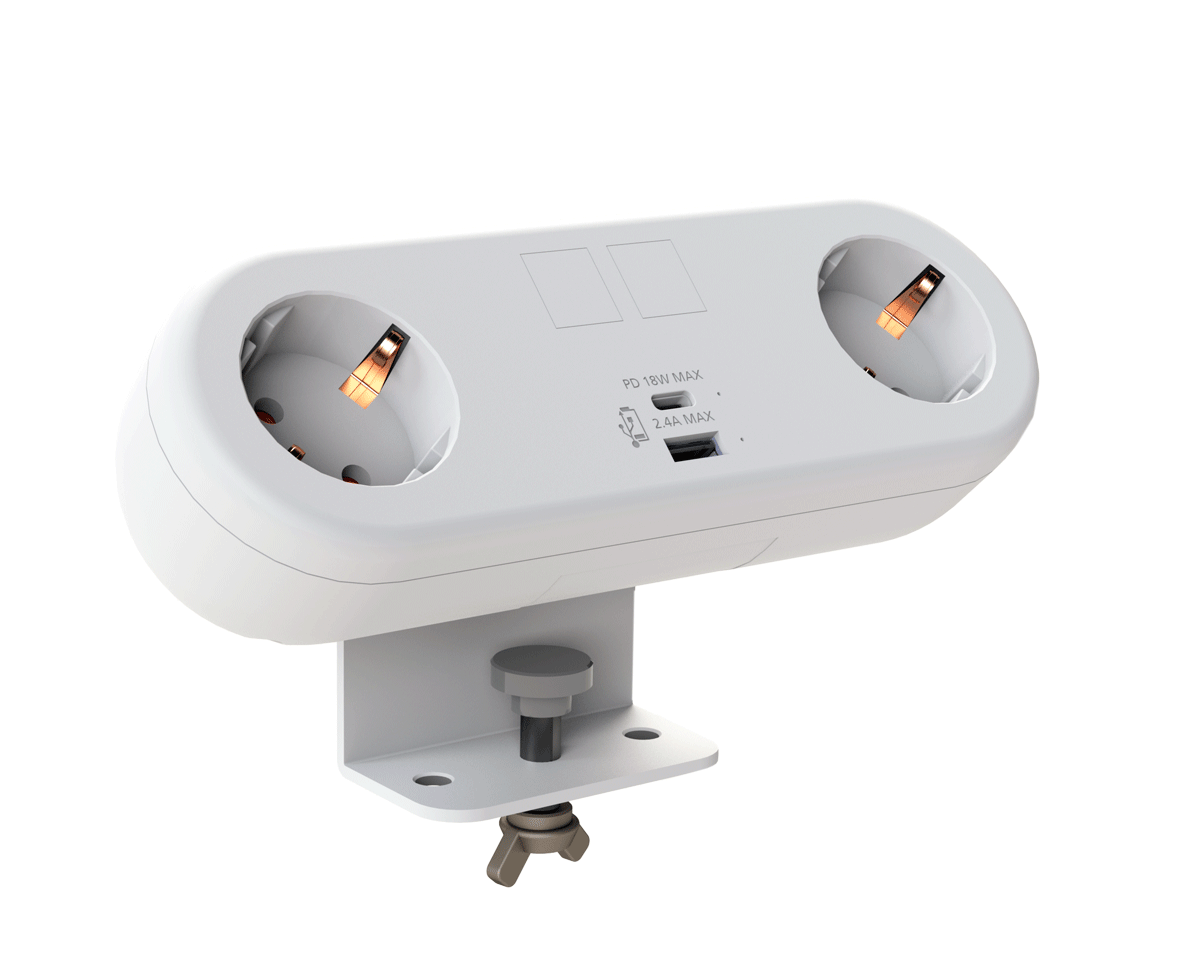
CMD Ltd, the specialist in power and connectivity solutions for commercial environments, has launched a Schuko version of its popular fixed format Capsule workstation power module for export to mainland Europe and beyond. A popular on desk power module comprising two sockets and dual USB (type A and C) chargers, CMD’s Capsule unit is already widely specified in the UK as an off-the-shelf workstation power...

Read more
CMD White Schuko Capsule Desk Power Module
CMD LTD EXTENDS MONITOR ARM RANGE WITH THE LAUNCH OF REACH PLUS

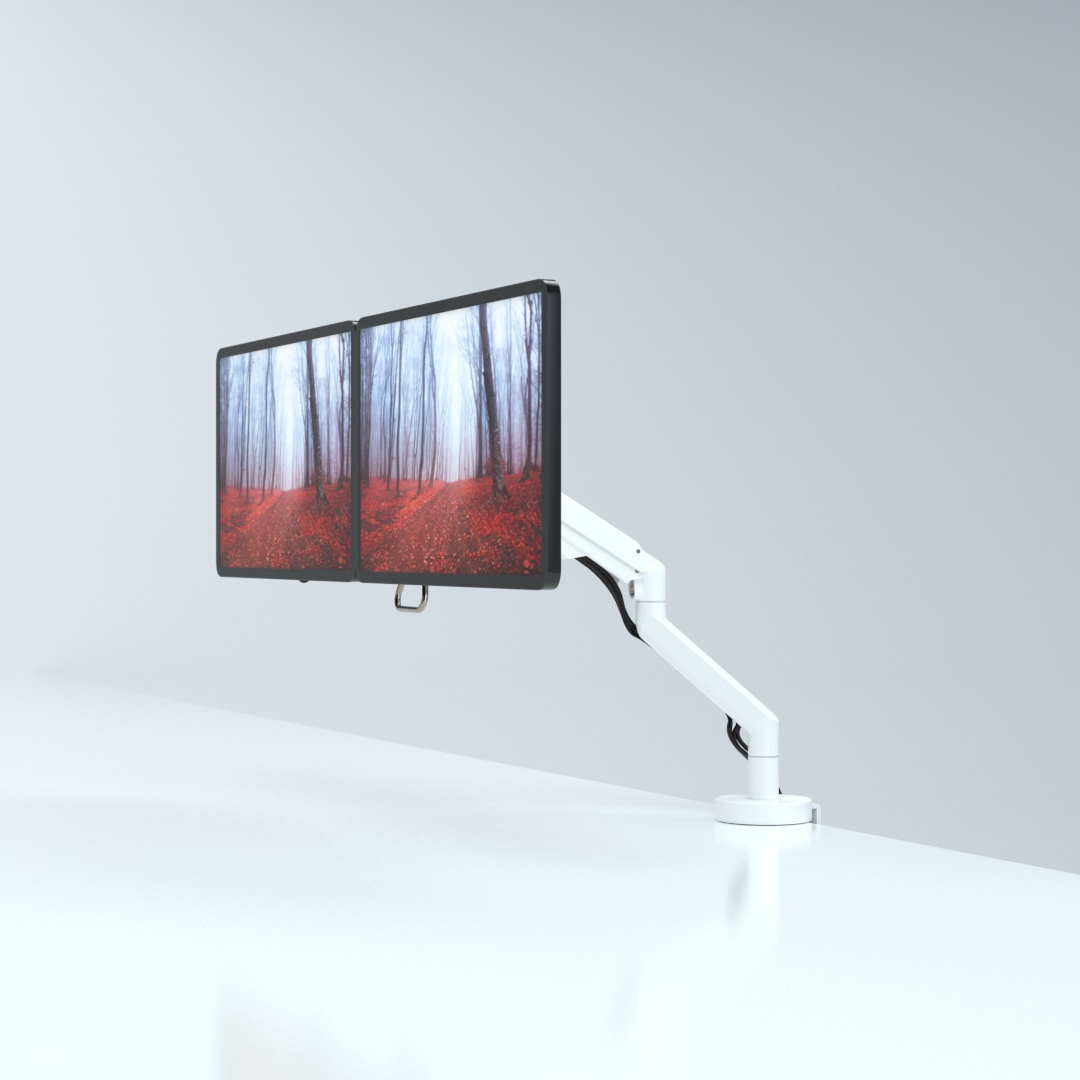
CMD Ltd, the specialist in ergonomic and connectivity solutions for commercial interiors, has completed its Reach monitor arm range with the launch of the Reach Plus. Available in single or dual screen options, the Reach Plus has been designed to provide an ideal solution for both single and dual screen workstation configurations, or can be used with next generation of large format curved screens. Suitable...

Read more
CMD Ltd DEMONSTRATES THE ART OF POWER DISTRIBUTION AT THE UNIVERSITY OF WARWICK

CMD Ltd, the specialist in workplace connectivity and ergonomic solutions, has provided Betatrak busbar power distribution and a range of electrical accessories for two major capital investment projects at the University of Warwick. Designed by Fielden Clegg Bradley Studios, the £33 million Faculty of Arts building is a showpiece development comprising four interconnected structures set around a central atrium, which will enable inter-disciplinary collaboration across...

Read more

University of Warwick
CMD BRINGS HARMONY TO COVENTRY UNIVERSITY RESEARCH FACILITIES

CMD Ltd, the specialist in power distribution solutions and workstation power and ergonomics, has provided under desk and on desk power modules for the refurbishment of three Coventry University research buildings. Located on Coventry University Technology Park, a business park designed to encourage collaboration between the university and knowledge-based businesses, the three buildings are being repurposed as office accommodation for university research teams. The refurbishment...

Read more

Coventry University

2026 Top Polyester Yarn Trends You Need to Know?

In the ever-evolving landscape of textiles, the demand for high-quality polyester yarn remains robust. As we approach 2026, trends reveal fascinating shifts in design, sustainability, and technology. Understanding these trends is crucial for manufacturers, designers, and consumers alike.

Polyester yarn, known for its durability and versatility, is increasingly favored in various applications. From fashion to home textiles, its popularity continues to rise. The focus on sustainability is also reshaping the market. Innovations in recycling and eco-friendly production methods are becoming standard. This commitment to sustainability reflects a broader awareness of our environmental impact.

However, not every trend is flawless. Some may prioritize aesthetics over functionality. Consumers sometimes overlook the importance of quality. In a race to innovate, we must remember to prioritize both design and substance. The future of polyester yarn is bright, yet it calls for careful consideration of our choices. Each decision shapes the industry’s path forward.

2026 Top Polyester Yarn Trends You Need to Know?

Current Innovations in Polyester Yarn Technology

The polyester yarn industry is witnessing significant innovations driven by sustainability and performance enhancement. Recent reports indicate that the global polyester yarn market is projected to reach $60 billion by 2026, growing at a CAGR of 5%. This growth is fueled by advancements in recycling technologies and the introduction of bio-based polyester fibers. These innovations aim to reduce the environmental impact of traditional manufacturing processes, which are energy-intensive and produce significant waste.

New technologies, such as low-energy spinning processes and chemical recycling methods, are being increasingly adopted. For example, advanced spinning techniques can reduce energy consumption by up to 30%. The incorporation of nanotechnology has also led to improvements in the durability and functionality of polyester yarns. Fabrics produced with these advanced yarns feature better moisture management and UV resistance, making them ideal for various applications.

**Tips:** Consider exploring recycled polyester yarn options to support sustainable practices. Look for suppliers who prioritize eco-friendly innovations. Always evaluate the durability of yarn to ensure it meets your requirements. With the fast-paced changes in technology, staying updated is crucial.

2026 Top Polyester Yarn Trends You Need to Know

Trend Description Estimated Market Growth Impact on Sustainability
High-Performance Polyester Developments in polyester fibers that enhance durability and resistance to extreme weather conditions. 7% CAGR Reduces waste due to longer life cycles.
Recycled Polyester Increased use of recycled materials in polyester production, aimed at reducing plastic waste. 10% CAGR Significant positive impact on sustainability.
Moisture-Wicking Technology Polyester innovations that enhance moisture management for better performance in athletic wear. 5% CAGR Improves user experience but depends on synthetic treatments.
Biodegradable Polyester Emerging materials that enable polyester to decompose more quickly in landfills. 8% CAGR Highly beneficial for reducing landfill impact.
Smart Fabrics Integration of sensors and technology in polyester fabrics for enhanced functionality. 12% CAGR Potentially higher e-waste recycling impact.

Sustainable Practices Shaping Polyester Yarn Production

Sustainable practices are increasingly shaping polyester yarn production. Recent studies highlight that over 80 million tons of polyester are produced each year, significantly impacting the environment. The reliance on fossil fuels for production raises pressing concerns about sustainability.

Innovative recycling techniques are changing this landscape. According to the Textile Recycling Association, approximately 14 million tons of plastic bottles are converted into recycled polyester annually. While this is a step forward, the challenge remains in achieving a circular economy where all polyester products are recyclable. Efforts to promote biopolyester alternatives are gaining momentum. However, the adoption is still slow, and more research is needed for scalability.

The industry's commitment to reducing carbon footprints is evident. Reports suggest that implementing sustainable methods could reduce greenhouse gas emissions by up to 30%. Despite these positive strides, the transition to green practices is fraught with difficulties. Many manufacturers struggle to invest heavily in sustainable technologies. The balance between cost and environmental responsibility still poses a significant hurdle.

Emerging Colors and Patterns in Polyester Yarn Design

As we approach 2026, the polyester yarn industry is evolving, influenced by emerging colors and patterns in design. Recent reports indicate that the global polyester market is projected to reach $160 billion by 2026, highlighting the growing interest in innovative designs. This surge is driven by consumer demand for vibrant, sustainable materials that blend the classic with the contemporary.

Currently, earthy tones and muted palettes dominate the landscape. However, bold colors like vivid greens and deep blues are gaining traction. These colors not only enhance aesthetic appeal but also resonate with eco-conscious consumers. Interestingly, surveys suggest that over 70% of designers prioritize colors that reflect environmental sustainability in their yarn choices. Patterns are also shifting, with geometric designs increasingly popular, appealing to a youthful consumer base.

Yet, while trends thrive, challenges abound. Many manufacturers struggle to source recycled polyester yarns that meet quality standards. This inconsistency can hinder design ambitions, leaving designers to rethink their approaches. Addressing these shortcomings is vital for sustainable progress. Thus, a proactive response to these emerging trends could reshape the industry.

Consumer Preferences Driving Polyester Yarn Trends

In recent years, consumer preferences have significantly shaped the polyester yarn market. Sustainability is now a vital concern for many buyers. They increasingly seek eco-friendly options that minimize environmental impact. Consumers are not just looking for functionality; they desire products that align with their values. This shift has led to a rise in recycled polyester yarns, making them highly appealing in today’s market.

Moreover, the demand for versatility plays a crucial role in shaping these trends. Consumers appreciate polyester yarns that can adapt to various applications, from fashion to home textiles. This adaptability allows manufacturers to cater to diverse customer needs. However, some might overlook the importance of quality, choosing cheaper options instead. This can lead to issues, such as reduced durability and performance. Balancing cost with quality remains a challenge in this evolving landscape.

Additionally, engaging storytelling around products can influence consumer choices. When brands highlight the origin and journey of their polyester yarn, they create a connection with buyers. However, not all brands effectively communicate these stories. This gap can hinder potential sales. Understanding consumer preferences requires constant reflection and adaptation. Failing to do so may leave companies struggling to capture the attention of their target audience.

2026 Top Polyester Yarn Trends You Need to Know

This chart illustrates the changing consumer preferences in polyester yarn trends, highlighting the increasing demand for recycled polyester, texture variations, and eco-friendly materials.

The Future of Polyester Yarn in Fashion and Textile Industries

The future of polyester yarn in fashion and textile industries showcases exciting trends and essential innovations. As sustainable practices grow in demand, polyester yarn is evolving. For instance, the Global Polyester Fiber Market is projected to reach $60 billion by 2026, primarily due to its versatility and recyclability.

In fashion, brands are embracing recycled polyester yarn. This approach not only reduces waste but also lowers carbon footprints. Reports indicate that recycled polyester can claim up to 25% less energy consumption during production. While recycling is a positive step, many manufacturers still struggle to obtain high-quality recycled materials. This concern needs addressing to fully realize polyester's sustainable potential.

Tips for brands looking to adopt sustainable practices include collaborating with suppliers who prioritize recycling technology. Additionally, investing in research can uncover innovative blends of polyester, enhancing performance qualities. However, the challenge lies in balancing cost and quality.

Ensuring that recycled polyester meets performance standards is crucial. Experimentation is key, yet not all attempts will yield desired results. Remaining flexible and open to feedback can guide future efforts.