

News

Miro: A New Standard in Responsible Innovation

Miro: A New Standard in Responsible Innovation The Miro monitor arm is setting new benchmarks in sustainability. It offers a high-performance solution without compromising on environmental responsibility. Designed with careful material selection, local sourcing, and longevity in mind, Miro’s responsible approach to design and unique manoeuvrability set it apart from the competition. Sustainable Choices Miro is crafted from energy-efficient materials with a lower carbon impact....

Read more
HSE Advisor

Role Purpose Support in the development, implementation and maintenance of the company’s Health, Safety & Environmental policies, processes, operational procedures, and standards.  Ensuring best practice and championing a continually improving HSE culture within the business. Key Responsibilities Liaise with and provide support to all areas of the business to eliminate, mitigate or reduce identified HSE exposures. Partner with the production management team and team leaders,...

Read more
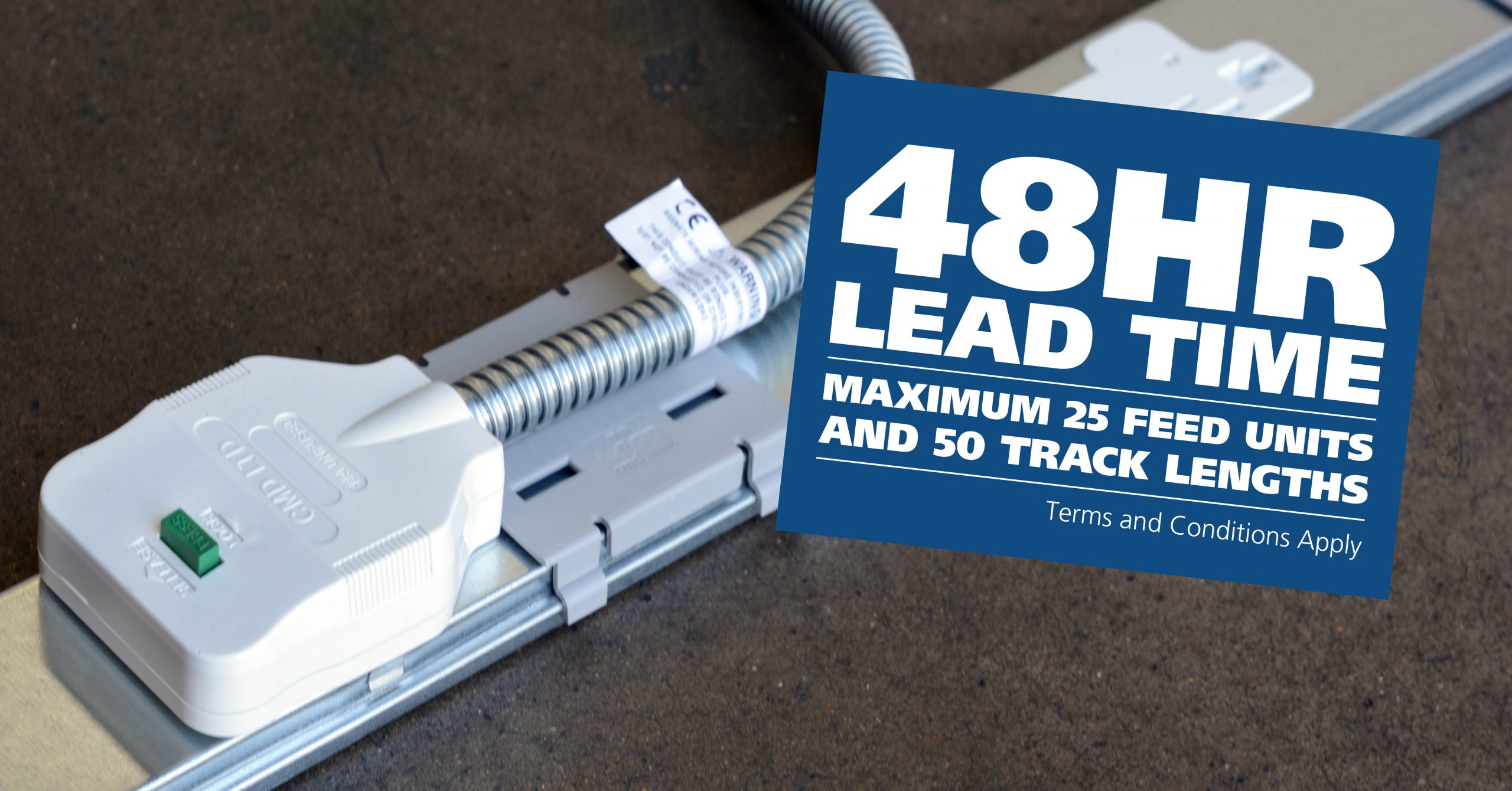
CMD Ltd LAUNCHES 48-HOUR TURNAROUND ON BETATRAK® RAPID ORDERING SERVICE

CMD Ltd, the specialist in power distribution systems, workstation power and monitor arms, has launched a rapid ordering service for its Betatrak® underfloor powertrack distribution systems and accessories, with a commitment to delivering within 48-hours of an approved purchase order*. The service enables customers to order up to 50 lengths of Standard or Clean Earth (C/E) low noise Betatrak, along with up to 25 feed...

Read more
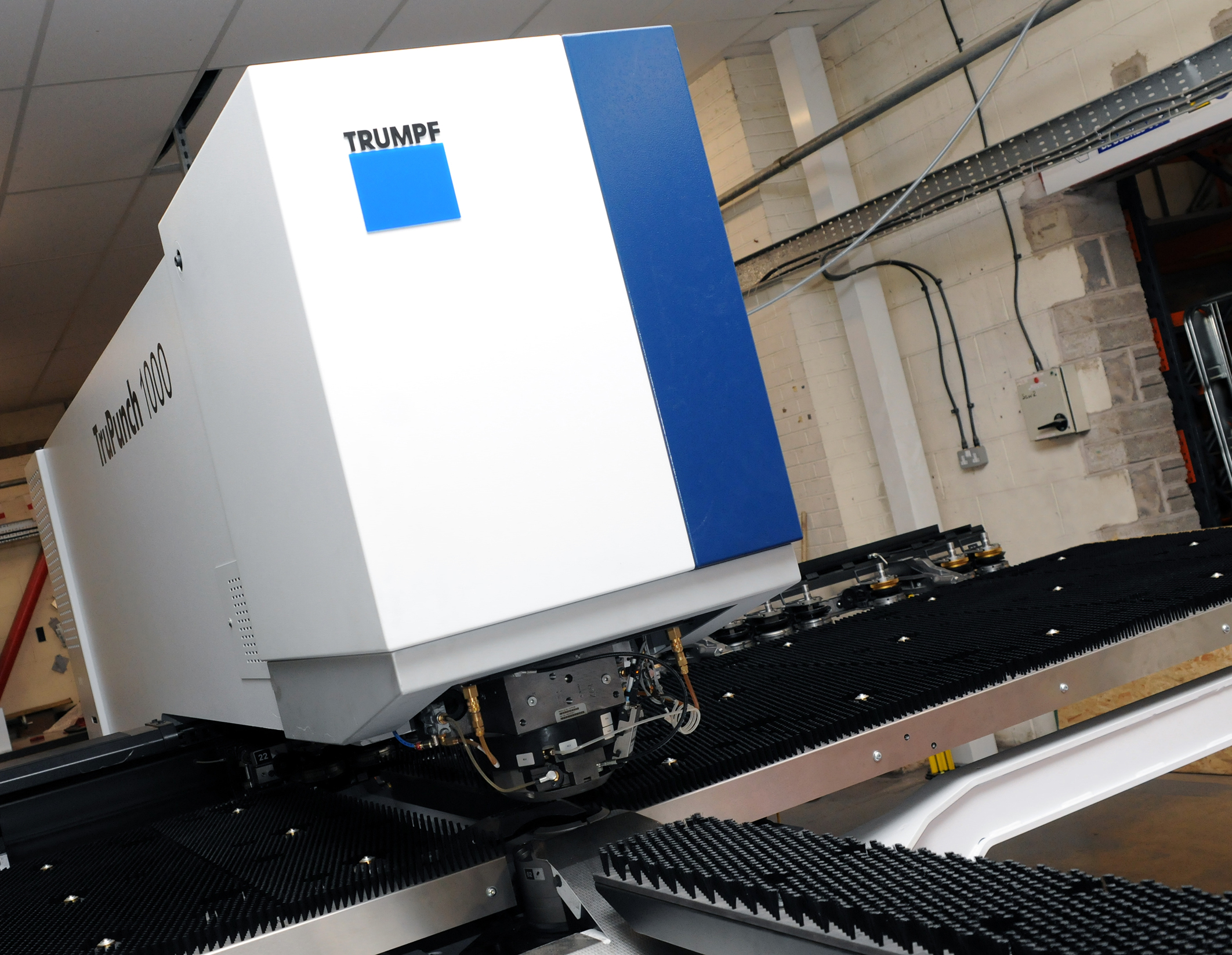
CMD INVESTS £1/4 MILLION IN NEW MACHINE AS PART OF FACTORY UPGRADE

We have invested in a new £1/4m TRUMPF CNC metal punch as part of an asset renewal strategy for our UK manufacturing capability. The new machine will be used in the production of a wide variety of our power distribution systems and workstation power products at our Rotherham factory. Suitable for handling sheet metal between 0.9mm and 3.0mm thick, the new machine will replace one...

Read more
CMD CATALOGUE PROVIDES TECHNICAL POWER DISTRIBUTION GUIDE

CMD Ltd has released a new catalogue, providing an easy to follow technical guide to our power distribution systems and plug and play desk modules. Detailing CMD’s full range of UK-manufactured power distribution systems and plug and play desk modules, the catalogue will be a helpful source of information to M&E engineers and contractors alike to understand how our power distribution systems connect together and...

Read more
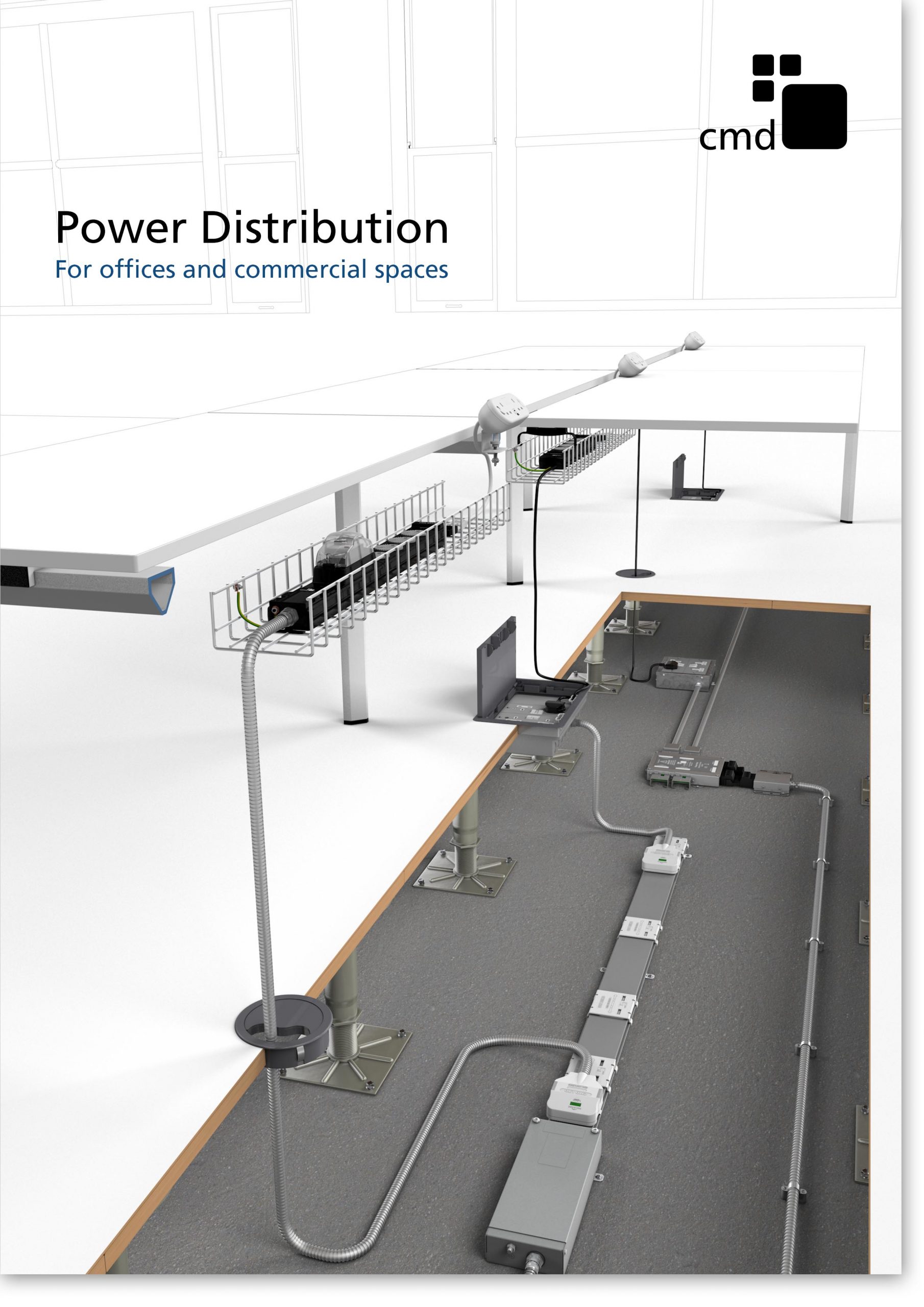
Power Distribution Catalogue
CMD Ltd PLAYS ESSENTIAL ROLE IN ELECTRICAL FIT OUT AT LONDON’S PRESTIGIOUS OFFICE DEVELOPMENT

CMD Ltd, specialist in workplace connectivity and ergonomic solutions, has provided a flexible and high-quality power distribution network for The Ray, a prestigious office development in London’s Farringdon. Well-known for being the former site of The Guardian newspaper, The Ray now stands as an 83,000ft² office development characterised by a modernised warehouse aesthetic, with level two now occupied by a global social media company. The...

Read more

The Ray
CMD plugs in to european opportunity with Schuko Capsule unit launch

CMD Ltd, the specialist in power and connectivity solutions for commercial environments, has launched a Schuko version of its popular fixed format Capsule workstation power module for export to mainland Europe and beyond. A popular on desk power module comprising two sockets and dual USB (type A and C) chargers, CMD’s Capsule unit is already widely specified in the UK as an off-the-shelf workstation power...

Read more
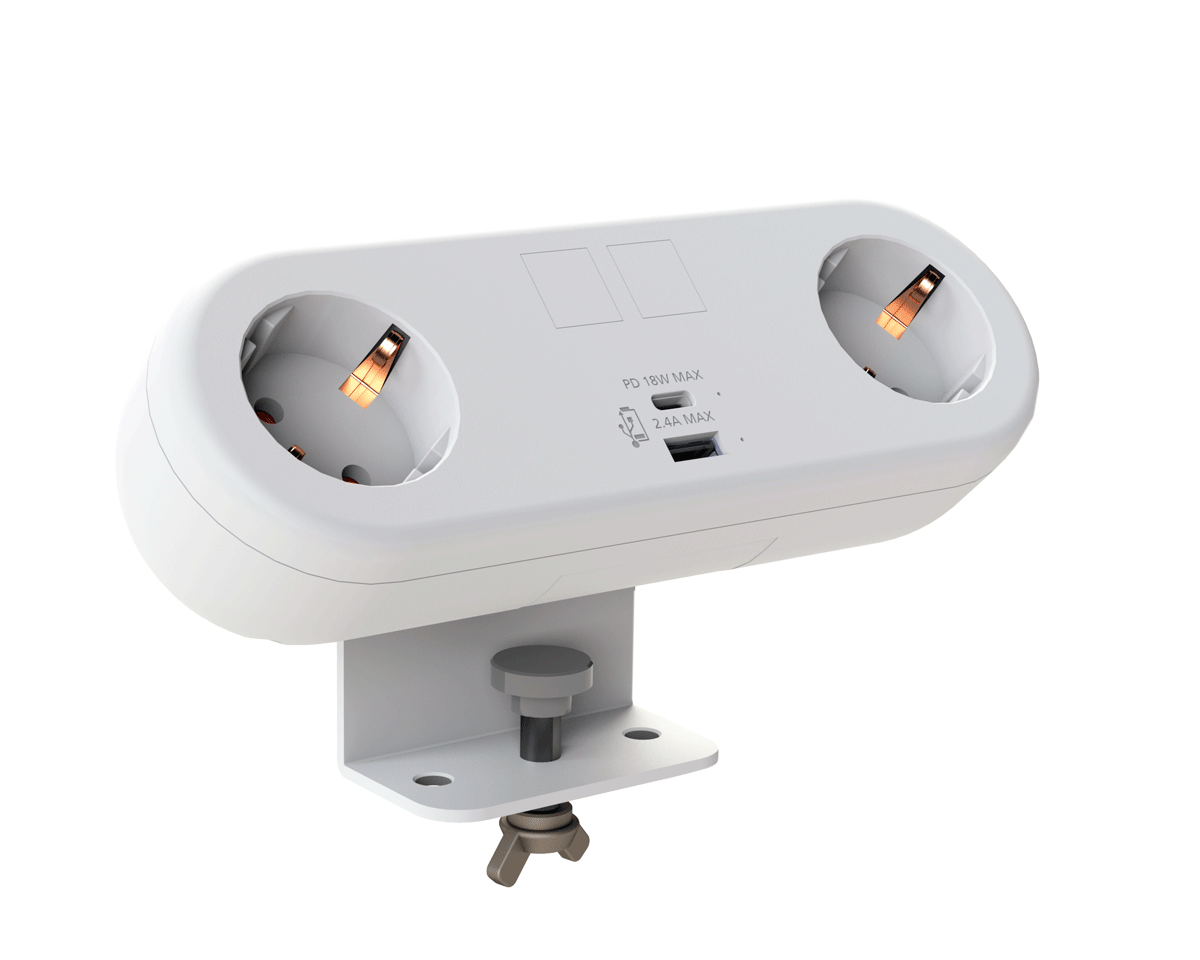
CMD White Schuko Capsule Desk Power Module
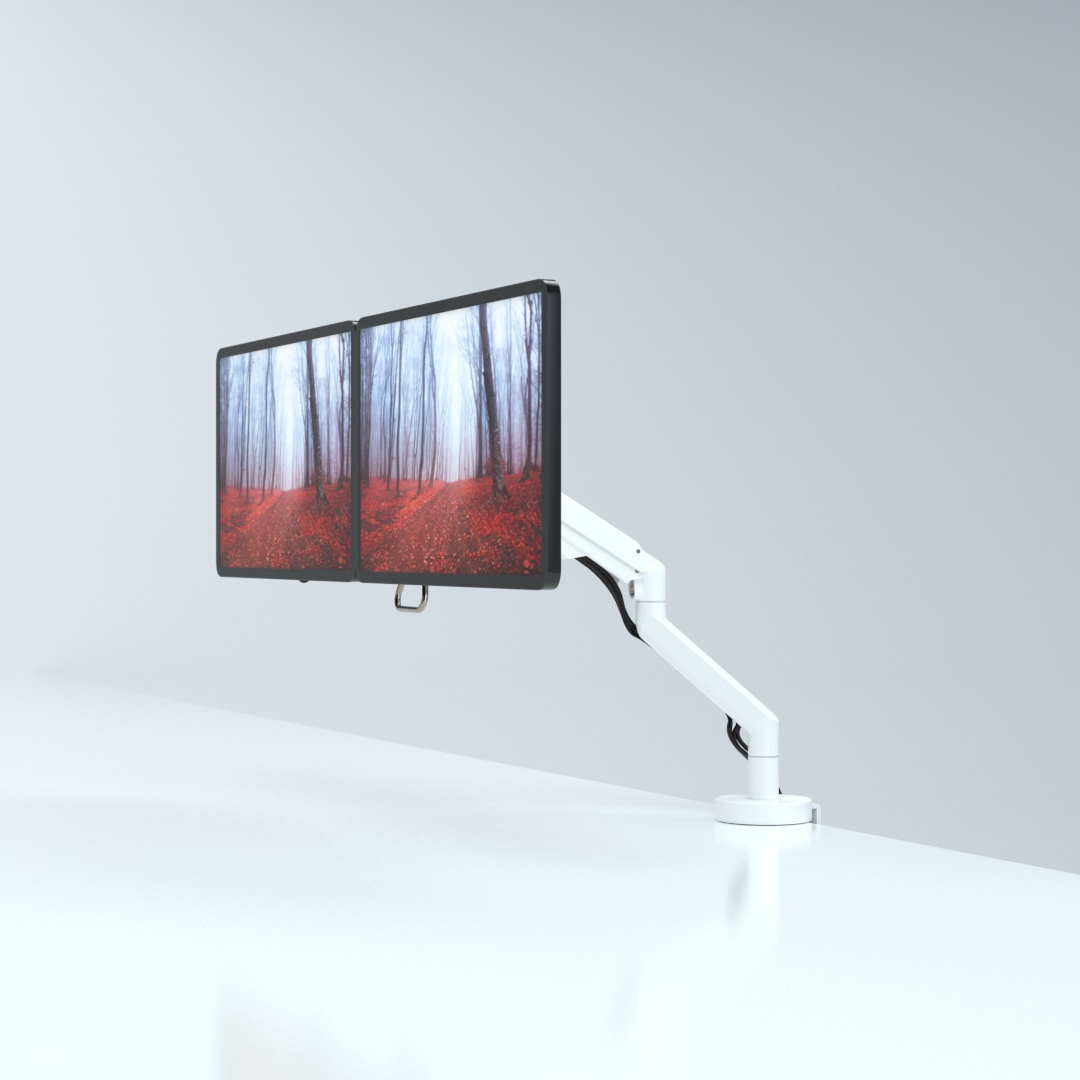
CMD LTD EXTENDS MONITOR ARM RANGE WITH THE LAUNCH OF REACH PLUS

CMD Ltd, the specialist in ergonomic and connectivity solutions for commercial interiors, has completed its Reach monitor arm range with the launch of the Reach Plus. Available in single or dual screen options, the Reach Plus has been designed to provide an ideal solution for both single and dual screen workstation configurations, or can be used with next generation of large format curved screens. Suitable...

Read more
CMD Ltd DEMONSTRATES THE ART OF POWER DISTRIBUTION AT THE UNIVERSITY OF WARWICK

CMD Ltd, the specialist in workplace connectivity and ergonomic solutions, has provided Betatrak busbar power distribution and a range of electrical accessories for two major capital investment projects at the University of Warwick. Designed by Fielden Clegg Bradley Studios, the £33 million Faculty of Arts building is a showpiece development comprising four interconnected structures set around a central atrium, which will enable inter-disciplinary collaboration across...

Read more

University of Warwick
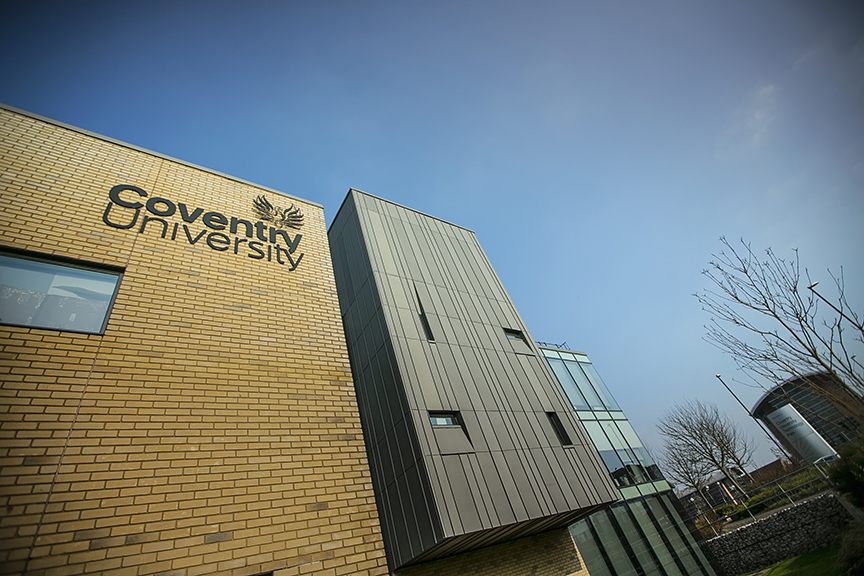
CMD BRINGS HARMONY TO COVENTRY UNIVERSITY RESEARCH FACILITIES

CMD Ltd, the specialist in power distribution solutions and workstation power and ergonomics, has provided under desk and on desk power modules for the refurbishment of three Coventry University research buildings. Located on Coventry University Technology Park, a business park designed to encourage collaboration between the university and knowledge-based businesses, the three buildings are being repurposed as office accommodation for university research teams. The refurbishment...

Read more
Coventry University

2026 Top 12 Volt Marine Toilet Buying Guide

Choosing a 12 Volt Marine Toilet in 2026 requires more than comparing flush buttons and retail prices. Electrical draw, pump design, discharge controls, bowl height, and service access affect daily comfort. A toilet that works quietly at the dock may struggle when batteries weaken offshore. Small details matter.

The NMMA 2023 Recreational Boating Statistical Abstract shows the continuing scale of recreational boating in the United States. Its economic impact reached approximately $230 billion, supporting demand for dependable onboard systems. Market research from Grand View Research also identifies marine sanitation equipment as a specialized product segment, although public reports rarely separate 12-volt toilets clearly. That limitation deserves attention. Broad market growth does not guarantee a better product for your boat.

Nigel Calder, author of Boatowner’s Mechanical and Electrical Manual, offers a useful service principle: “Keep it simple, and make it serviceable.” His advice fits marine toilets precisely. A reliable model should include accessible hoses, protected wiring, replaceable pumps, and clear installation instructions. It should also match the vessel’s battery capacity and plumbing layout. Measure twice.

This 2026 Top 12 Volt Marine Toilet Buying Guide examines practical performance, installation demands, odor control, noise, energy use, and long-term maintenance. It considers real boating conditions, including short-handed cruising, rough water, limited freshwater, and cold starts. Manufacturer claims are not enough. Independent testing remains uneven across this category, so buyers should inspect warranty terms and spare-parts availability carefully. I may be overly cautious, but an offshore toilet is not a decorative upgrade. It is a compact sanitation system that must work when convenience disappears.

2026 Top 12 Volt Marine Toilet Buying Guide

Understanding 12-Volt Marine Toilet Types and Core Functions

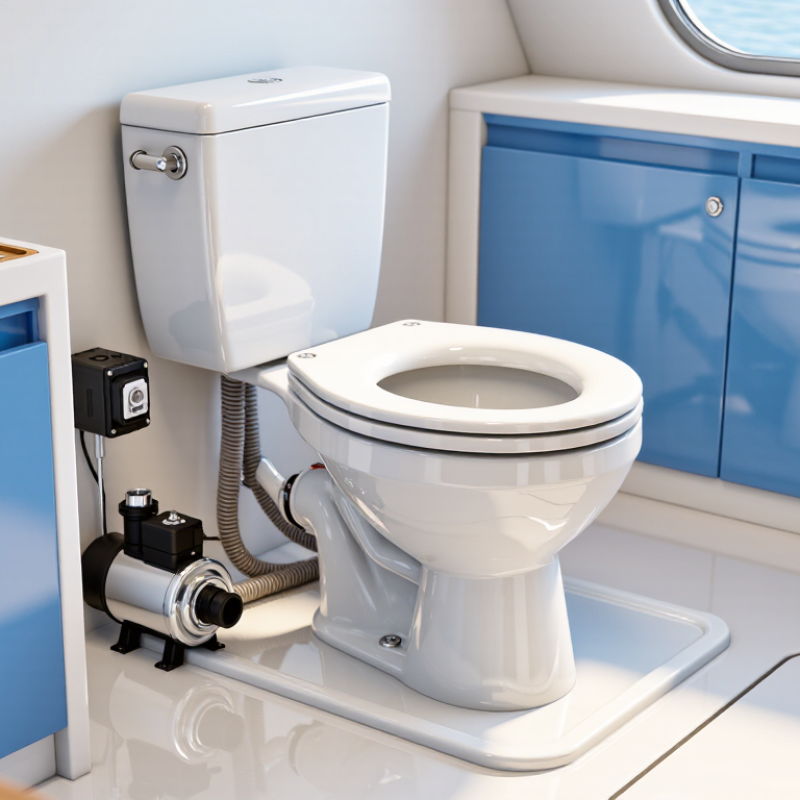
Choosing a 12-volt marine toilet starts with understanding its flushing system. Electric-flush models use a pump to move water and waste. Macerating models also grind waste before discharge to the holding tank. Some toilets use seawater, while others connect to the boat’s freshwater system.

During a small-cabin refit, I checked three details first: battery capacity, hose routing, and pump access. A 12-volt unit may draw significant current during flushing. Undersized wiring can cause slow operation or repeated fuse failures. Noise matters. A compact electric pump can sound surprisingly sharp inside a quiet cabin.

Core functions include water intake, bowl evacuation, maceration, and controlled discharge. The control panel may offer separate fill and flush buttons. Some systems use one-touch operation, but simple controls are easier to troubleshoot.

An anti-siphon loop helps prevent unwanted water movement through the plumbing. The holding tank also needs proper ventilation and secure connections.

Measure the available space carefully. Leave room above the pump and beside the service panel. I once assumed a narrow installation would simplify maintenance. It did not. A blocked hose clamp made a basic inspection unnecessarily difficult. Regularly check seals, wiring terminals, hose clamps, and the fuse. Use only compatible marine sanitation parts, because ordinary household fittings may soften, leak, or fail under vibration.

Checking Boat Compatibility, Power Requirements, and Installation Space

2026 Top 12 Volt Marine Toilet Buying Guide

Checking Boat Compatibility, Power Requirements, and Installation Space

A 12-volt marine toilet should match your boat’s plumbing, battery system, and daily use pattern. Measure the discharge hose diameter before choosing a model. Some boats use older fittings that need adapters. That small mismatch can create leaks, odors, or difficult maintenance.

Check the electrical system carefully. Confirm the toilet’s voltage, fuse rating, and starting current against your boat’s wiring. A long cable run may cause voltage drop, especially when the battery is partly discharged. Use marine-grade wiring with suitable protection. Do not rely on memory. Read the installation manual and measure the actual cable distance. I have seen otherwise suitable toilets perform poorly because the wiring was too light.

Space is often the real limitation. Record the available width, depth, and seat height around the mounting area. Leave room to open the lid and reach the service panel. Check the pump outlet direction before drilling any holes. A compact compartment may still block hose bends or electrical connections. Mock the toilet’s footprint with cardboard first. It feels simple, but this step can reveal awkward access that drawings miss. Also inspect the floor structure. A flexible or damp mounting surface can loosen fasteners over time, and that problem is easy to underestimate.

Comparing Flushing Systems, Water Use, Noise, and Waste Management

A 12-volt marine toilet should be judged by more than its flushing power. On a small cruiser, I have compared electric macerating units with manual pump models during overnight trips. Electric systems usually clear the bowl quickly, but their motor can sound sharp in a quiet cabin. Manual systems are quieter and simpler, though they demand more effort and careful pumping.

Water use affects both comfort and waste capacity. Some electric toilets use less than one liter per flush, while others consume several liters. That difference becomes significant when the holding tank is small. Low-water flushing can leave solids behind if the bowl shape or pump is poorly designed. I once focused too heavily on low consumption and underestimated rinsing performance. That was a costly assumption.

Noise also depends on mounting, hose routing, and battery condition. A weak battery may make the pump sound strained. Check the toilet’s current draw, wiring size, and circuit protection before installation. Waste management requires a sealed holding tank, a clear vent line, and secure sanitation hoses. The vent should not allow odors to collect inside the cabin. Regularly inspect hose clamps and tank fittings for leaks. Local discharge rules must guide tank use and pump-out practices. A practical test should include several flush cycles, a nearly full tank, and operation when the boat is moving. That reveals problems showroom demonstrations often hide.

2026 Top 12 Volt Marine Toilet Buying Guide

Comparing flushing systems, water use, operating noise, and waste-management requirements

The chart uses representative mid-range operating values commonly reported for compact marine sanitation systems. Water use is shown per flush, while noise is measured as a typical sound-pressure level at approximately one metre. Actual performance varies with hose layout, holding-tank distance, battery voltage, installation, and flush settings.

Flushing system Typical water use Typical noise Waste-management considerations
12V electric macerating 0.6–1.2 L/flush 60–75 dBA Cuts waste before discharge; requires reliable 12V wiring, an in-line fuse, service access, and a holding tank or approved overboard discharge system.
12V electric flush 1.0–2.0 L/flush 55–70 dBA Moves waste with an electric pump; larger water volumes can fill the holding tank faster and may require more frequent pump-outs.
Vacuum flush with 12V pump 0.3–0.6 L/flush 55–65 dBA Uses small-diameter sanitation lines and a vacuum reservoir; seals, vacuum lines, and the pump require periodic inspection.
Manual pump baseline 0.5–1.5 L/flush 45–60 dBA No electrical load; depends on manual pumping and gravity or a separate discharge pump, with fewer electrical components to maintain.

Evaluating Materials, Reliability, Maintenance, and Safety Features

A 12-volt marine toilet should be judged by more than flushing power. Material quality matters in saltwater, vibration, and changing temperatures. Look for corrosion-resistant fasteners, reinforced marine hoses, and a bowl that resists staining and cracking. ABYC H-23 and ISO 8099 provide useful guidance for marine sanitation systems. Their requirements help buyers assess installation, discharge control, and system integrity.

Reliability depends on the complete electrical circuit. Check the motor’s current draw, fuse protection, cable size, and switch sealing. ABYC E-11 offers practical standards for marine DC wiring, while ISO 8846 addresses ignition protection for electrical equipment. The 2023 U.S. Coast Guard Recreational Boating Statistics recorded 4,012 accidents, 556 deaths, and 2,641 injuries. A toilet may seem unrelated, but flooding, shorts, and blocked discharge lines can create avoidable onboard hazards. Safety belongs in the buying decision.

Maintenance is where many systems disappoint. Rinse the bowl, inspect hose clamps, and check the anti-siphon loop regularly. Keep replacement seals and a manual backup method onboard. The NMMA 2024 U.S. Recreational Boating Statistical Abstract reported 11.6 million registered recreational vessels in 2023, showing how widely marine equipment is used. Still, a large market does not guarantee reliability. A polished housing can hide weak wiring. Choose serviceable parts, clear instructions, and accessible connections. Perfect maintenance is unrealistic. Consistent maintenance is achievable.

Selecting the Best 12-Volt Marine Toilet for Your Boating Needs

Choosing the best 12-volt marine toilet starts with your boat’s real operating conditions, not appearance. The NMMA’s 2023 Recreational Boating Statistical Abstract recorded approximately 11.6 million registered recreational boats in the United States. Many owners therefore face different priorities, from compact cabin layouts to heavy weekend use. Measure the available space, discharge route, hose length, and battery distance before comparing models.

Check the toilet’s running current, starting surge, flush-water demand, and recommended fuse size. A longer cable run can create voltage drop, especially on older boats. A larger bowl feels more comfortable, but it may reduce usable cabin space. A low-water flush can protect freshwater reserves, yet it may require more frequent cleaning. No choice is perfect.

ABYC Standard H-27 emphasizes proper marine sanitation-system installation, including secure plumbing and ventilation practices. Follow those requirements and the manufacturer’s installation instructions. Select corrosion-resistant fittings, a serviceable pump, and a manual override when practical. During a dockside test, listen for irregular cycling and inspect every connection for seepage. Quiet operation matters. So does easy access.

The best 12-volt marine toilet matches your battery system, crew size, cruising duration, and maintenance habits. I would not judge performance from one short test. Cold mornings, low battery voltage, and rough water can expose weaknesses that showroom demonstrations miss.

2026 Top 12 Volt Marine Toilet Buying Guide - Selecting the Best 12-Volt Marine Toilet for Your Boating Needs

Rank Toilet Configuration Best Use Typical Voltage Typical Current Draw Freshwater Use per Flush Discharge Options Installation Difficulty Key Advantage Important Buying Check
1 Compact 12-Volt Macerating Toilet Small cabins and compact sailboats 12 V DC 15–25 A 0.5–1.0 L Holding tank or overboard where legal Moderate Space-saving bowl and effective waste reduction Confirm the pump can handle the planned discharge-head height and hose length.
2 Standard-Height Macerating Toilet General cruising and family boats 12 V DC 15–30 A 0.5–1.5 L Holding tank or approved overboard discharge Moderate Balanced comfort, flushing performance, and availability Measure seat height, bowl projection, service access, and door clearance.
3 Low-Profile Macerating Toilet Low-deck installations and restricted head compartments 12 V DC 15–30 A 0.5–1.5 L Holding tank or approved overboard discharge Moderate Fits beneath shelves, counters, or limited overhead space Check the pump housing and discharge outlet do not interfere with the sole or structure.
4 Electric Flush Toilet with Remote Pump Layouts requiring a separate pump location 12 V DC 15–30 A 0.5–2.0 L Holding tank or approved overboard discharge Advanced Flexible component placement and easier access to some service parts Plan a dry, accessible pump location and keep suction lines short and well-supported.
5 Quiet-Flush 12-Volt Toilet Sleeping cabins and noise-sensitive cruising 12 V DC 15–25 A 0.5–1.5 L Holding tank or approved overboard discharge Moderate Reduced operating noise compared with louder pump designs Look for published sound data and install vibration-isolating mounts where specified.
6 Dual-Function Flush Toilet Boats needing liquid-saving and full-flush choices 12 V DC 15–30 A 0.2–1.5 L Holding tank or approved overboard discharge Moderate Helps reduce freshwater consumption during extended trips Verify that low-water settings provide adequate bowl rinsing for solids.
7 Freshwater-Fed Electric Toilet Vessels with reliable pressurized freshwater systems 12 V DC 15–30 A 0.5–2.0 L Holding tank or approved overboard discharge Moderate Reduces seawater odor and mineral deposits in the bowl and lines Use a correctly rated anti-siphon arrangement and avoid cross-contamination of the potable system.
8 Seawater-Fed Electric Toilet Boats conserving freshwater during offshore cruising 12 V DC 15–30 A Minimal freshwater use Holding tank or approved overboard discharge Advanced Preserves tank water for drinking, cooking, and hygiene Install a strainer, serviceable intake seacock, anti-siphon protection, and odor-control routine.
9 Remote-Control Panel Toilet Installations requiring convenient flush controls 12 V DC 15–30 A 0.5–2.0 L Holding tank or approved overboard discharge Moderate Allows control placement near the user or outside a wet area Use marine-grade switches, suitable cable protection, and a sealed mounting location.
10 Heavy-Duty Commercial-Style Electric Toilet Charter boats and high-use recreational vessels 12 V DC 20–35 A 0.5–2.0 L Holding tank or approved overboard discharge Advanced Designed for frequent operation and robust service access Check duty-cycle limits, replacement-part availability, and the house battery’s peak-load capacity.
11 Electric Toilet for Long Discharge Runs Layouts with remote or elevated holding tanks 12 V DC 20–35 A 0.5–2.0 L Holding tank or approved overboard discharge Advanced Higher pumping capability for appropriately engineered pipe runs Compare the manufacturer’s maximum vertical lift, horizontal run, and hose-diameter limits.
12 Low-Consumption Electric Marine Toilet Weekend boats and small battery-bank systems 12 V DC 10–25 A 0.2–1.0 L Holding tank or approved overboard discharge Moderate Lower water and energy demand when correctly adjusted Do not select by amp rating alone; verify complete flush-cycle energy use and reliable bowl clearing.
Selection note: The electrical and water-use figures above are typical planning ranges for 12-volt electric marine toilets, not guaranteed specifications for every model. Always confirm the installation manual, wiring requirements, discharge regulations, sanitation-system requirements, and local marine laws before purchase.