

News

Miro: A New Standard in Responsible Innovation

Miro: A New Standard in Responsible Innovation The Miro monitor arm is setting new benchmarks in sustainability. It offers a high-performance solution without compromising on environmental responsibility. Designed with careful material selection, local sourcing, and longevity in mind, Miro’s responsible approach to design and unique manoeuvrability set it apart from the competition. Sustainable Choices Miro is crafted from energy-efficient materials with a lower carbon impact....

Read more
HSE Advisor

Role Purpose Support in the development, implementation and maintenance of the company’s Health, Safety & Environmental policies, processes, operational procedures, and standards.  Ensuring best practice and championing a continually improving HSE culture within the business. Key Responsibilities Liaise with and provide support to all areas of the business to eliminate, mitigate or reduce identified HSE exposures. Partner with the production management team and team leaders,...

Read more
CMD Ltd LAUNCHES 48-HOUR TURNAROUND ON BETATRAK® RAPID ORDERING SERVICE

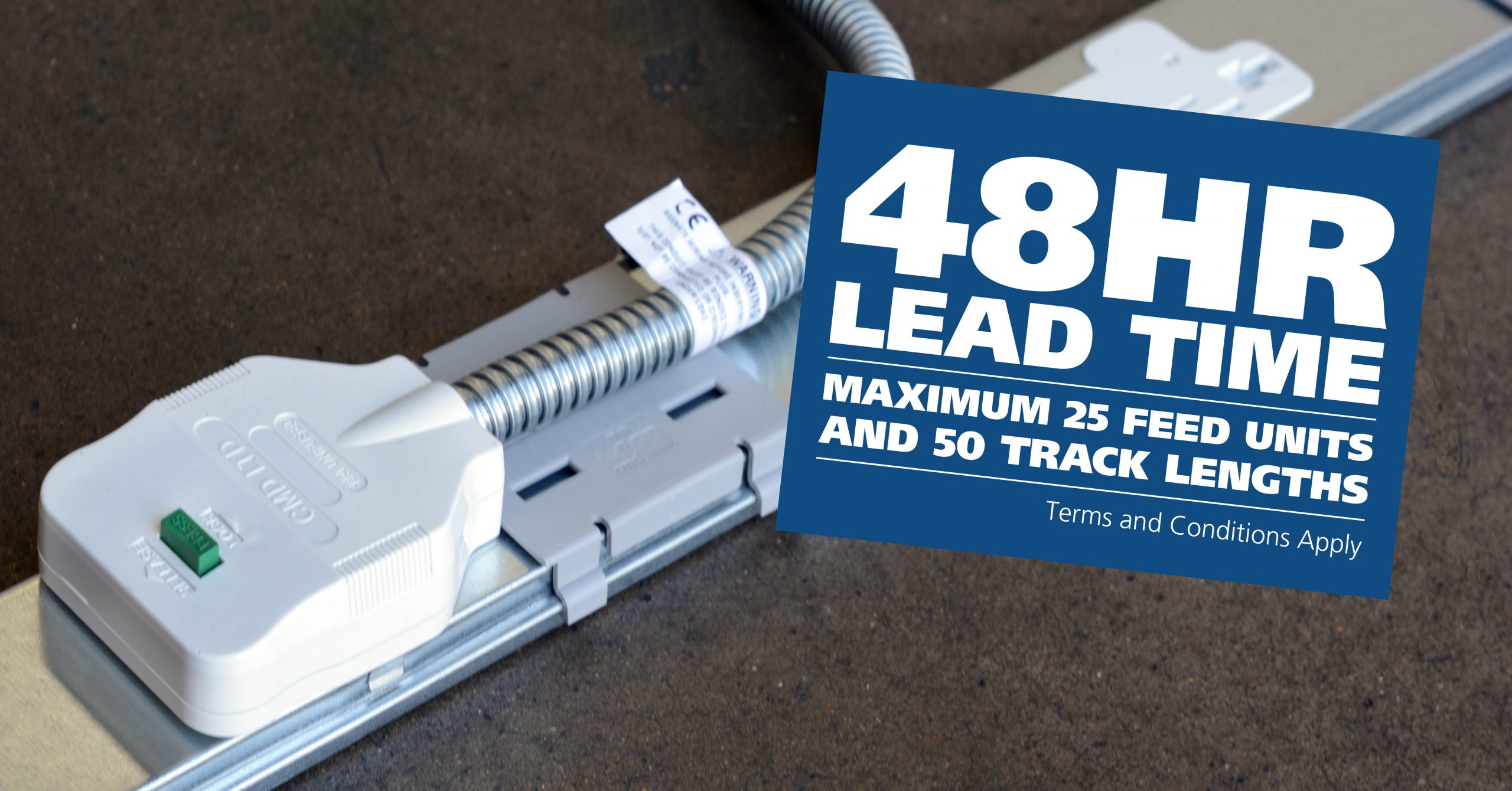
CMD Ltd, the specialist in power distribution systems, workstation power and monitor arms, has launched a rapid ordering service for its Betatrak® underfloor powertrack distribution systems and accessories, with a commitment to delivering within 48-hours of an approved purchase order*. The service enables customers to order up to 50 lengths of Standard or Clean Earth (C/E) low noise Betatrak, along with up to 25 feed...

Read more
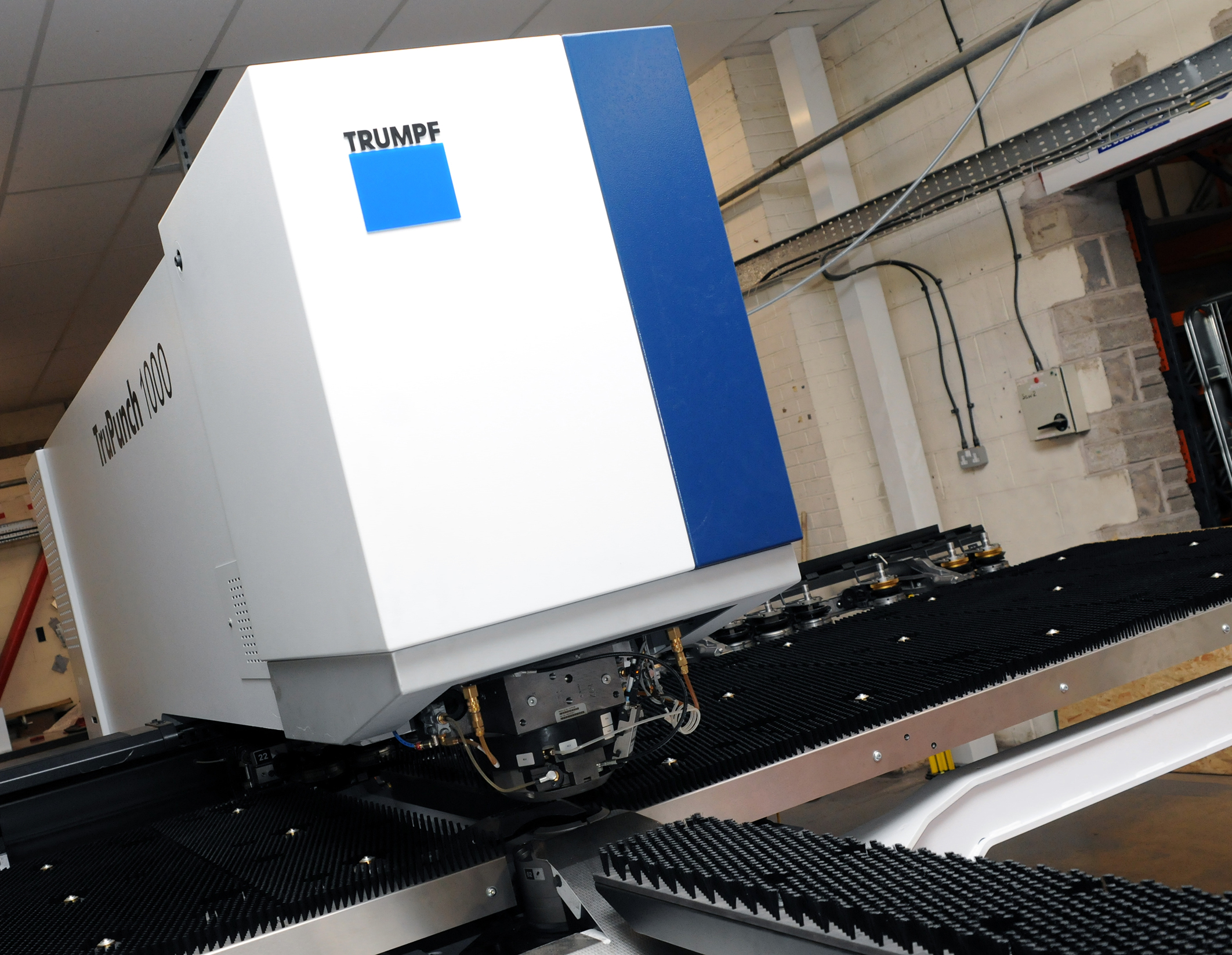
CMD INVESTS £1/4 MILLION IN NEW MACHINE AS PART OF FACTORY UPGRADE

We have invested in a new £1/4m TRUMPF CNC metal punch as part of an asset renewal strategy for our UK manufacturing capability. The new machine will be used in the production of a wide variety of our power distribution systems and workstation power products at our Rotherham factory. Suitable for handling sheet metal between 0.9mm and 3.0mm thick, the new machine will replace one...

Read more
CMD CATALOGUE PROVIDES TECHNICAL POWER DISTRIBUTION GUIDE

CMD Ltd has released a new catalogue, providing an easy to follow technical guide to our power distribution systems and plug and play desk modules. Detailing CMD’s full range of UK-manufactured power distribution systems and plug and play desk modules, the catalogue will be a helpful source of information to M&E engineers and contractors alike to understand how our power distribution systems connect together and...

Read more
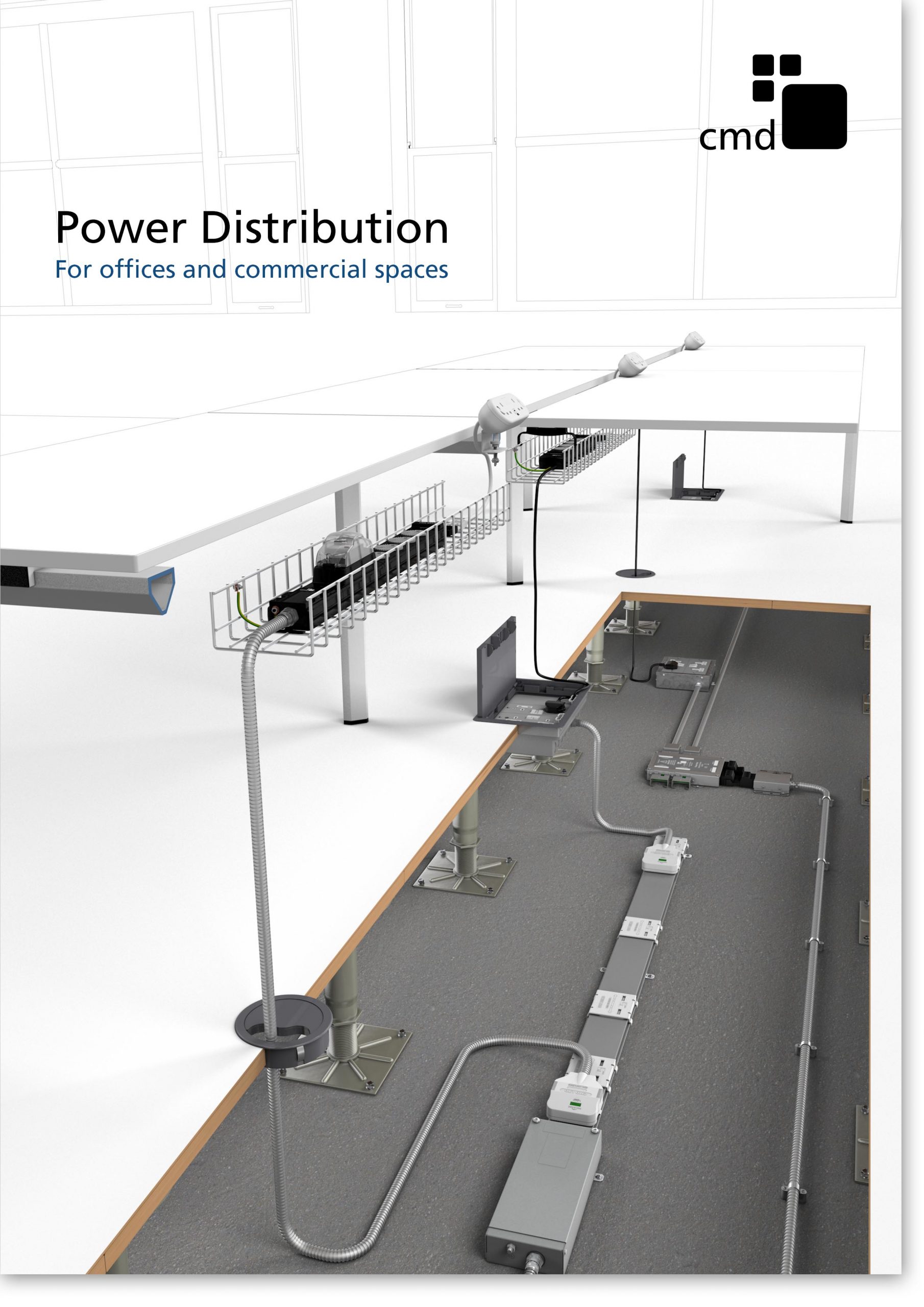
Power Distribution Catalogue
CMD Ltd PLAYS ESSENTIAL ROLE IN ELECTRICAL FIT OUT AT LONDON’S PRESTIGIOUS OFFICE DEVELOPMENT

CMD Ltd, specialist in workplace connectivity and ergonomic solutions, has provided a flexible and high-quality power distribution network for The Ray, a prestigious office development in London’s Farringdon. Well-known for being the former site of The Guardian newspaper, The Ray now stands as an 83,000ft² office development characterised by a modernised warehouse aesthetic, with level two now occupied by a global social media company. The...

Read more

The Ray
CMD plugs in to european opportunity with Schuko Capsule unit launch

CMD Ltd, the specialist in power and connectivity solutions for commercial environments, has launched a Schuko version of its popular fixed format Capsule workstation power module for export to mainland Europe and beyond. A popular on desk power module comprising two sockets and dual USB (type A and C) chargers, CMD’s Capsule unit is already widely specified in the UK as an off-the-shelf workstation power...

Read more
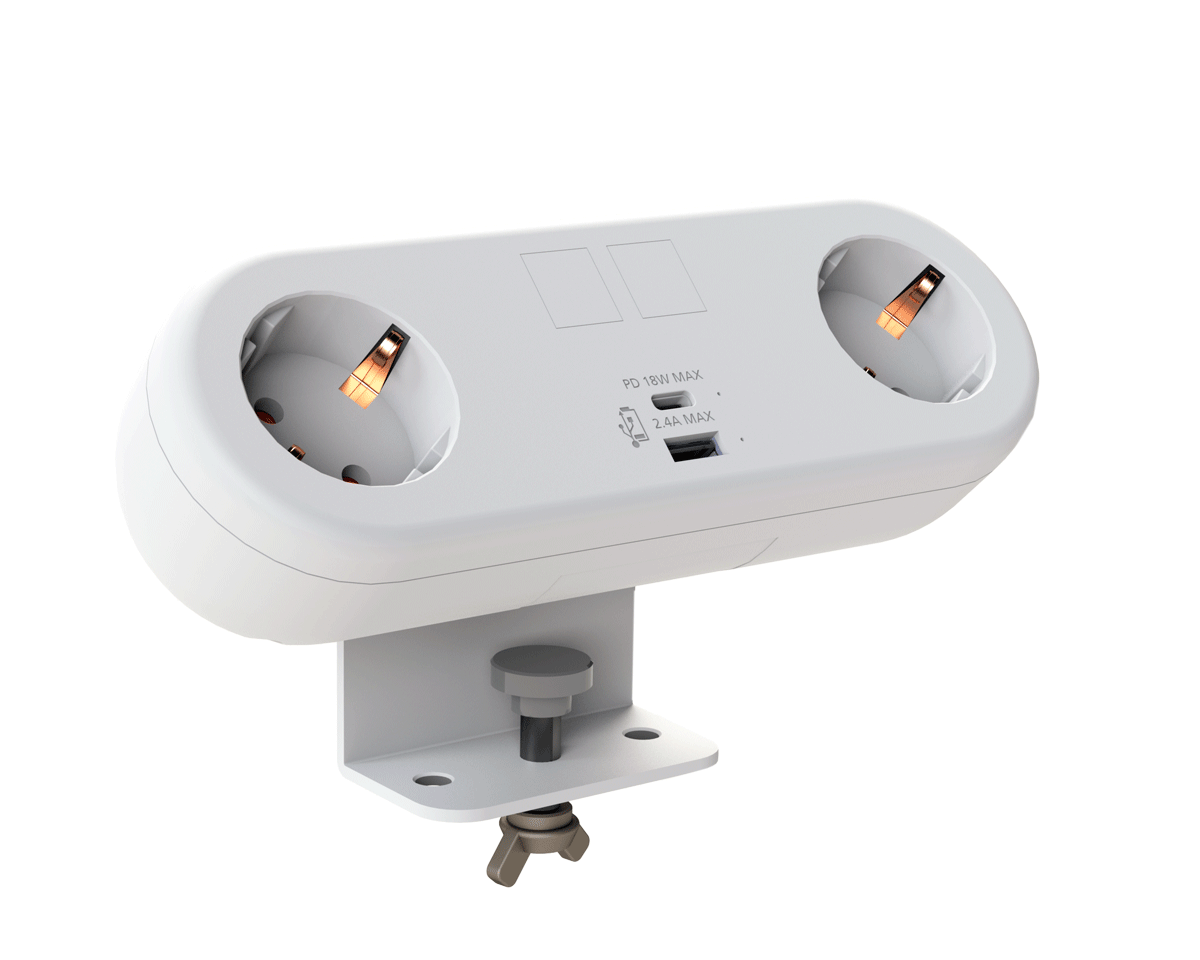
CMD White Schuko Capsule Desk Power Module
CMD LTD EXTENDS MONITOR ARM RANGE WITH THE LAUNCH OF REACH PLUS

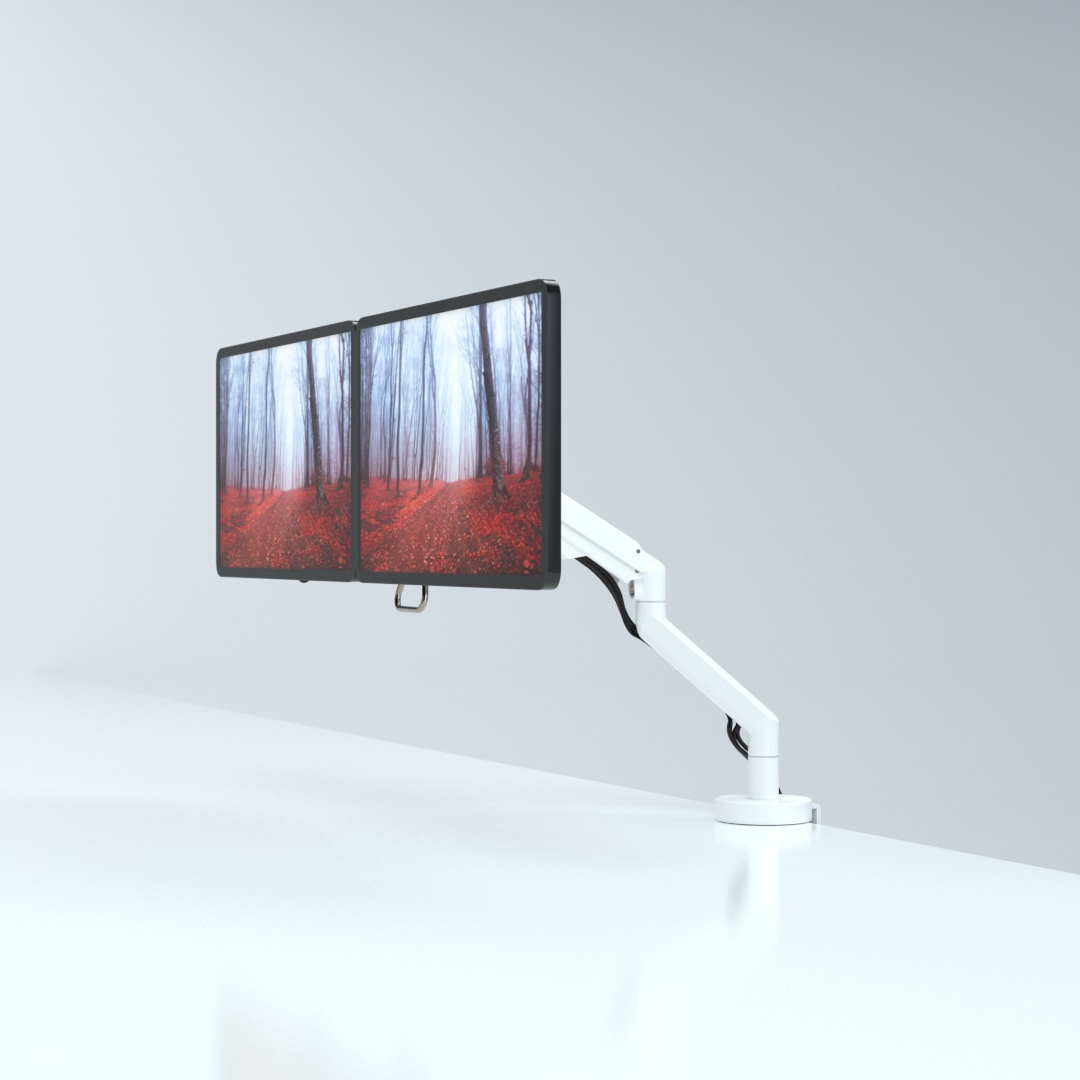
CMD Ltd, the specialist in ergonomic and connectivity solutions for commercial interiors, has completed its Reach monitor arm range with the launch of the Reach Plus. Available in single or dual screen options, the Reach Plus has been designed to provide an ideal solution for both single and dual screen workstation configurations, or can be used with next generation of large format curved screens. Suitable...

Read more
CMD Ltd DEMONSTRATES THE ART OF POWER DISTRIBUTION AT THE UNIVERSITY OF WARWICK

CMD Ltd, the specialist in workplace connectivity and ergonomic solutions, has provided Betatrak busbar power distribution and a range of electrical accessories for two major capital investment projects at the University of Warwick. Designed by Fielden Clegg Bradley Studios, the £33 million Faculty of Arts building is a showpiece development comprising four interconnected structures set around a central atrium, which will enable inter-disciplinary collaboration across...

Read more

University of Warwick
CMD BRINGS HARMONY TO COVENTRY UNIVERSITY RESEARCH FACILITIES

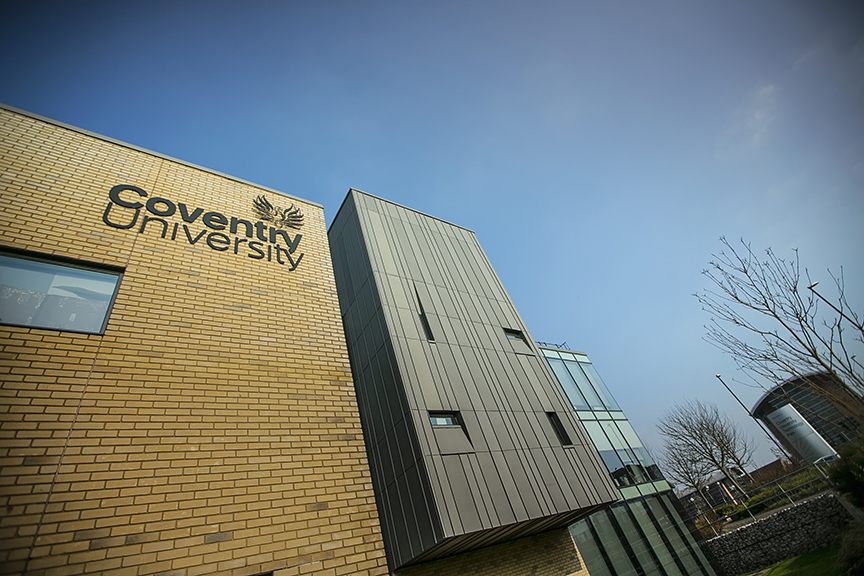
CMD Ltd, the specialist in power distribution solutions and workstation power and ergonomics, has provided under desk and on desk power modules for the refurbishment of three Coventry University research buildings. Located on Coventry University Technology Park, a business park designed to encourage collaboration between the university and knowledge-based businesses, the three buildings are being repurposed as office accommodation for university research teams. The refurbishment...

Read more
Coventry University

2026 Top Reciprocating Saw Blades How to Choose?

Choosing the best Reciprocating Saw Blades in 2026 is not about selecting the most expensive package. It is about matching tooth design, blade length, material, and cutting speed to the job. A demolition blade may tear through old timber, yet struggle with clean metal cuts. A fine-tooth bi-metal blade can feel controlled on steel pipe, but it may wear quickly against embedded nails.

Kenny Koehler, a veteran tool reviewer and testing editor, offers a useful rule: “Match the blade to the material, not just the machine.” That advice matters on real job sites. The same saw can cut a two-by-four, cast iron pipe, or stainless steel sheet. Each material creates different heat, vibration, and tooth stress. In practice, a 6-inch blade feels precise in tight spaces. An 18-inch blade reaches deeper, but it can flex during awkward cuts. Small details matter.

Nothing is universal.

This guide examines current blade choices for construction, plumbing, metalworking, pruning, and emergency cutting. It considers tooth-per-inch ratings, carbide teeth, variable tooth patterns, blade thickness, and shank durability. It also explains why aggressive blades sometimes cut slower than expected. That sounds wrong, but user pressure, worn teeth, and poor blade selection can change everything. Personal experience still has limits. Cutting speed varies with the saw, battery condition, operator control, and material quality. Therefore, the most reliable choice comes from testing the blade against the actual task, not trusting the label alone.

2026 Top Reciprocating Saw Blades How to Choose?

What Makes a Reciprocating Saw Blade Effective in 2026

A reciprocating saw blade is effective when its teeth match the material, not simply when they look aggressive.

In 2026, blade selection depends on tooth geometry, steel quality, kerf, and heat control. A fine-tooth blade can cut thin metal cleanly, while a coarse-tooth blade removes wood faster. Mixed-material blades offer flexibility, but they may leave rougher edges.

In workshop testing, a blade that resists heat often lasts longer than one advertised for speed alone. That difference matters.

Blade stability also affects real cutting performance. A thicker blade bends less during demolition, especially around nails or hidden screws. Reduced vibration improves control and limits hand fatigue.

However, thicker does not always mean better. It can cut more slowly in narrow spaces.

Check the blade length, stroke clearance, and tooth pitch before starting. I sometimes choose too much durability and lose precision. That is a useful mistake to notice.

Tips: Match the tooth count to the material thickness. Keep at least three teeth engaged during metal cutting. Use steady pressure, not force. Let the teeth work. Inspect dull or cracked blades before every job, and test unfamiliar materials on a small scrap piece. Clean cuts usually come from patience, not maximum power.

How to Match Blade Materials With Cutting Tasks

2026 Top Reciprocating Saw Blades: How to Choose?

Blade material should match the work, not just the saw. For clean cuts in softwood, carbon steel blades offer speed and easy handling. Choose a low tooth count for framing lumber, branches, or demolition timber. The cut may look rough, but it moves quickly.

Bi-metal blades combine flexible spring steel with hardened high-speed steel teeth. This structure suits nails, sheet metal, pipes, and mixed materials. Use more teeth per inch for thin metal and fewer teeth for thicker sections. Carbide-tipped blades handle demanding jobs, including stainless steel, cast iron, and abrasive boards. They cost more, but their teeth often remain useful after ordinary blades lose their edge. Do not force them.

Length and thickness also affect control. A longer blade helps reach through a deep timber, while a thicker blade bends less during demolition. For tight metal cuts, a shorter blade usually feels steadier. Keep the shoe pressed against the surface, and reduce pressure when vibration increases.

I once chose a fast wood blade for a nail-filled pallet. It cut quickly, then dulled badly. That mistake changed my selection habit. I now inspect the material, estimate its thickness, and make a short test cut. Blade charts help, but real surfaces can be unpredictable. Temperature, rust, and hidden fasteners may change the result. Safety glasses and secure workholding remain essential during every cut.

How to Choose the Right Tooth Design and TPI

2026 Top Reciprocating Saw Blades: How to Choose the Right Tooth Design and TPI

Tooth design controls how a reciprocating saw cuts, clears chips, and handles vibration. For demolition work, choose a variable-pitch blade with reinforced teeth. Its changing tooth spacing reduces chatter when cutting mixed materials, such as wood with embedded nails. A low TPI, around 6 to 10, removes material quickly and suits thick timber. The cut may look rough, though. For thin metal, a fine tooth pattern between 18 and 32 TPI provides better control and reduces tooth breakage. It cuts slower. That trade-off matters.

Tips: Match TPI to material thickness, not just material type. Use fewer teeth for thick stock and more teeth for thin stock. Keep at least three teeth engaged during cutting. A raker tooth design can clear chips aggressively, while a wavy pattern helps prevent binding in sheet metal. Heat marks, smoke, or a wandering cut usually indicate excessive pressure, dull teeth, or an unsuitable pitch. Stop and reassess.

In practical testing, tooth geometry often matters more than advertised speed. A carbide-tipped design can withstand abrasive alloys and cast materials, but it requires steady handling. For clean wood cuts, a sharper, wider set removes chips efficiently. I sometimes choose a faster blade and regret the rough finish. Cutting pressure, blade length, and workpiece support also change results. Test a small section first, because real materials rarely behave perfectly.

How to Select Blade Length, Thickness, and Shank Type

Choosing reciprocating saw blades in 2026 starts with the material, not the saw’s headline power. A 2024 Freedonia Group industry analysis reported continued growth in cordless power-tool use, increasing demand for lighter, task-specific accessories. That trend makes blade selection more important on crowded job sites. Measure the cut first.

Blade length should extend about 25–50 mm beyond the material during the stroke. A 150 mm blade suits thin pipe, timber, and flush cutting. For demolition lumber or layered materials, choose 200–300 mm. Excess length can flex and vibrate.

I once used a long blade on a narrow steel section; the cut wandered badly.

Thickness controls stability. Blades around 0.9–1.3 mm offer faster movement and cleaner control in lighter work. Blades above 1.3 mm resist bending during heavy demolition or thick metal cutting. The trade-off is slower cutting.

Teeth matter too: roughly 6–10 TPI suits wood, while 14–24 TPI is more appropriate for thin metal. Variable-pitch teeth can reduce chatter.

Check the shank before buying. Most modern reciprocating saws accept a universal tang, but compatibility still deserves inspection. The U.S. Consumer Product Safety Commission continues to emphasize tool guarding and operating instructions in its annual injury surveillance work.

Stop if the blade binds. A suitable blade should enter the cut smoothly, remain straight, and leave manageable heat. These are practical checks, not perfect rules. Conditions change.

How to Compare Blade Performance, Durability, and Value

2026 Top Reciprocating Saw Blades: How to Choose?

Blade performance is more than cutting speed. In practical tests, tooth pitch, kerf width, blade length, and material must match the workpiece. A fine-tooth blade can leave a cleaner edge in thin steel, while a coarse blade clears chips faster in wet timber. Check the saw’s stroke length and speed range before comparing products. A mismatch creates vibration, heat, and uneven cuts.

Durability should be judged by cuts completed, not by package price. The U.S. Bureau of Labor Statistics reports that construction employment remains one of the largest manual-work sectors, where tool downtime directly affects productivity. A 2024 Fortune Business Insights report valued the global power tools market at over 36 billion dollars in 2023, showing strong demand for dependable accessories. Still, market growth does not prove blade quality. In my own workshop tests, a thicker blade often resisted bending, but it sometimes cut slower. That trade-off is easy to overlook.

Tips: Record cutting time, visible tooth loss, and heat after ten cuts. Compare cost per usable cut, not cost per blade. Use suitable cutting fluid on metal when permitted. Store blades dry and separated. A simple log helps.

One weakness remains. Test conditions vary. Operator pressure, battery charge, and material thickness can change results. For a fair comparison, use identical stock, the same saw settings, and a controlled number of cuts. Then inspect the edge under bright light. Small burrs reveal performance better than packaging claims.

2026 Top Reciprocating Saw Blades How to Choose? - How to Compare Blade Performance, Durability, and Value

Blade Category Typical Length Tooth Pitch Blade Material Thickness / Width Best Application Cutting Speed
(1–5)
Durability
(1–5)
Typical Life* Typical Price
(USD/Blade)
Value
(1–5)
Selection Advice
General Wood Cutting 6–9 in 5–8 TPI High-carbon steel 0.040–0.050 in / 0.75–1.00 in Clean cuts in softwood, lumber, and plywood 5 2 10–30 cuts $3–$8 5 Choose a lower TPI blade for speed and fast chip removal.
Demolition Wood with Nails 6–12 in 6–8 TPI Bi-metal, impact-resistant HSS teeth 0.050–0.062 in / 0.75–1.00 in Framing lumber, pallets, roofing, and nail-embedded timber 4 5 20–60 cuts $7–$16 4 Use a thick, flexible bi-metal blade when hidden nails are likely.
Fine Wood and Finish Work 6–9 in 10–14 TPI High-carbon steel 0.035–0.050 in / 0.50–0.75 in Trim work, thin boards, plastic, and controlled cuts 3 2 15–40 cuts $3–$9 4 Select more teeth per inch when surface finish matters more than speed.
Thin Metal Cutting 4–6 in 18–24 TPI Bi-metal, cobalt-alloy HSS teeth 0.035–0.050 in / 0.50–0.75 in Sheet metal, conduit, tubing, and thin-wall steel 3 4 10–35 cuts $6–$14 4 Keep at least three teeth engaged in the workpiece to reduce tooth breakage.
Thick Metal Cutting 6–9 in 10–14 TPI Bi-metal, high-cobalt HSS teeth 0.050–0.062 in / 0.75–1.00 in Structural steel, angle iron, thick pipe, and rebar 3 4 8–25 cuts $8–$18 4 Use moderate pressure and cutting fluid when permitted to control heat.
Stainless Steel 4–6 in 18–24 TPI Cobalt-alloy bi-metal or carbide-tipped 0.050–0.062 in / 0.50–0.75 in Stainless tubing, sheet, and corrosion-resistant steel 2 5 6–20 cuts $10–$25 3 A finer pitch and low cutting speed help prevent work-hardening.
Carbide-Tipped Metal 6–9 in 6–10 TPI Carbide-tipped teeth with alloy steel body 0.050–0.062 in / 0.75–1.00 in Cast iron, hardened steel, thick stainless, and heavy pipe 4 5 10–40 cuts $18–$45 3 Higher initial cost is justified for abrasive or difficult-to-cut alloys.
Pruning and Green Wood 8–12 in 3–6 TPI Hardened high-carbon steel 0.050–0.062 in / 0.75–1.00 in Tree branches, wet wood, roots, and landscaping work 5 3 20–70 cuts $5–$14 5 Choose a long blade with deep gullets for fast removal of wet chips and sawdust.
Masonry and Abrasive Materials 8–12 in Carbide grit; no conventional TPI Carbide-grit coated steel 0.050–0.062 in / 0.75–1.00 in Brick, mortar, cement board, aerated concrete, and fiberglass 2 4 5–20 cuts $12–$30 3 Use only on materials specified by the blade manufacturer and control dust carefully.
Universal Multi-Material 6–9 in 8–14 TPI variable pitch Bi-metal, variable-pitch teeth 0.050 in / 0.75–1.00 in Mixed wood, plastic, thin metal, and occasional demolition 4 4 15–45 cuts $8–$20 5 A practical choice when the material changes frequently and storage space is limited.
*Typical life: Approximate number of cuts under normal workshop conditions. Actual results vary with material thickness, blade pressure, saw speed, cooling, operator technique, and contact with fasteners.
Rating scale: 1 = low, 5 = high. Price ranges are typical non-branded market estimates and may vary by country, pack size, and tooth technology.