News

Miro: A New Standard in Responsible Innovation

Miro: A New Standard in Responsible Innovation The Miro monitor arm is setting new benchmarks in sustainability. It offers a high-performance solution without compromising on environmental responsibility. Designed with careful material selection, local sourcing, and longevity in mind, Miro’s responsible approach to design and unique manoeuvrability set it apart from the competition. Sustainable Choices Miro is crafted from energy-efficient materials with a lower carbon impact....

Read more
HSE Advisor

Role Purpose Support in the development, implementation and maintenance of the company’s Health, Safety & Environmental policies, processes, operational procedures, and standards.  Ensuring best practice and championing a continually improving HSE culture within the business. Key Responsibilities Liaise with and provide support to all areas of the business to eliminate, mitigate or reduce identified HSE exposures. Partner with the production management team and team leaders,...

Read more
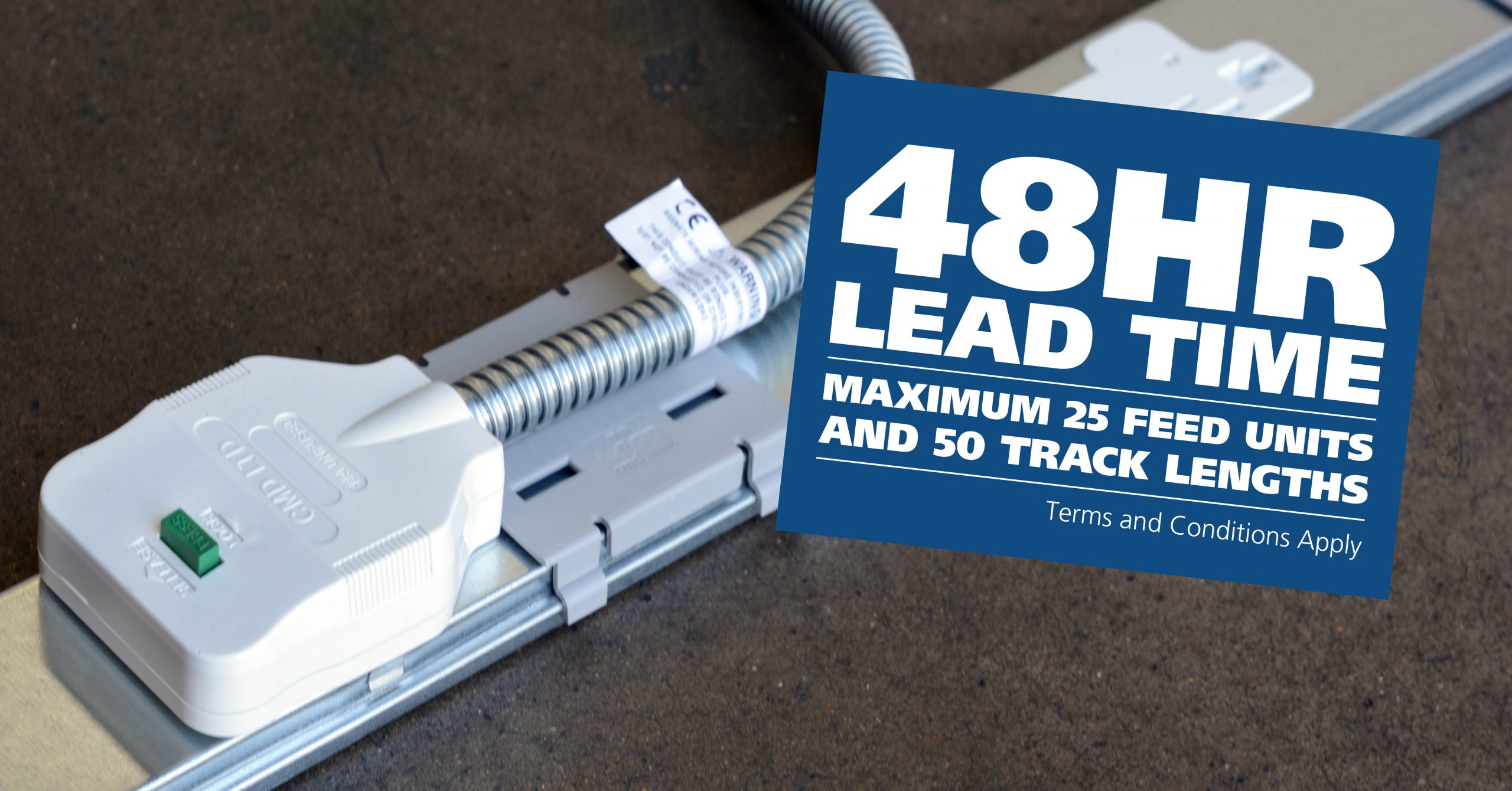
CMD Ltd LAUNCHES 48-HOUR TURNAROUND ON BETATRAK® RAPID ORDERING SERVICE

CMD Ltd, the specialist in power distribution systems, workstation power and monitor arms, has launched a rapid ordering service for its Betatrak® underfloor powertrack distribution systems and accessories, with a commitment to delivering within 48-hours of an approved purchase order*. The service enables customers to order up to 50 lengths of Standard or Clean Earth (C/E) low noise Betatrak, along with up to 25 feed...

Read more
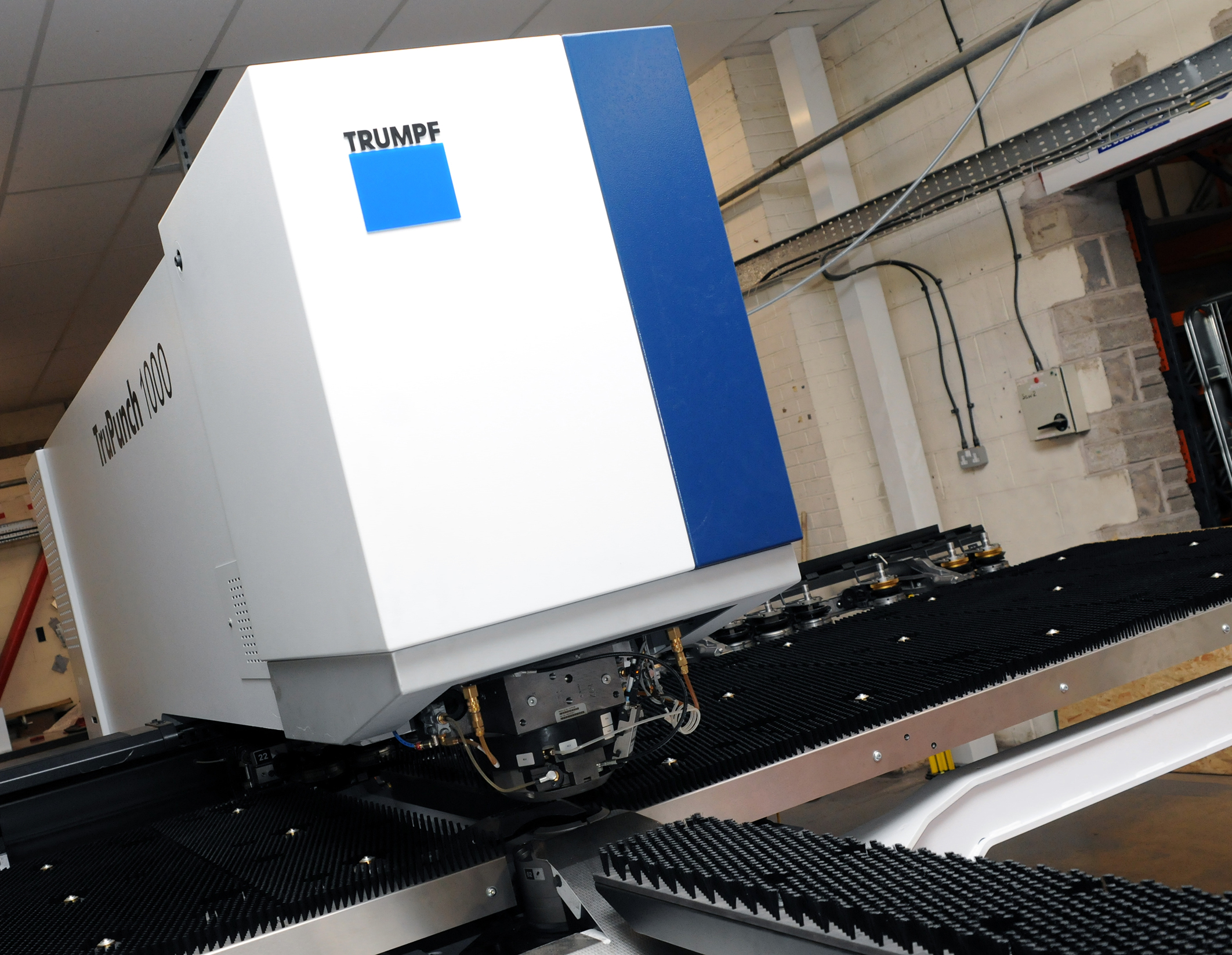
CMD INVESTS £1/4 MILLION IN NEW MACHINE AS PART OF FACTORY UPGRADE

We have invested in a new £1/4m TRUMPF CNC metal punch as part of an asset renewal strategy for our UK manufacturing capability. The new machine will be used in the production of a wide variety of our power distribution systems and workstation power products at our Rotherham factory. Suitable for handling sheet metal between 0.9mm and 3.0mm thick, the new machine will replace one...

Read more
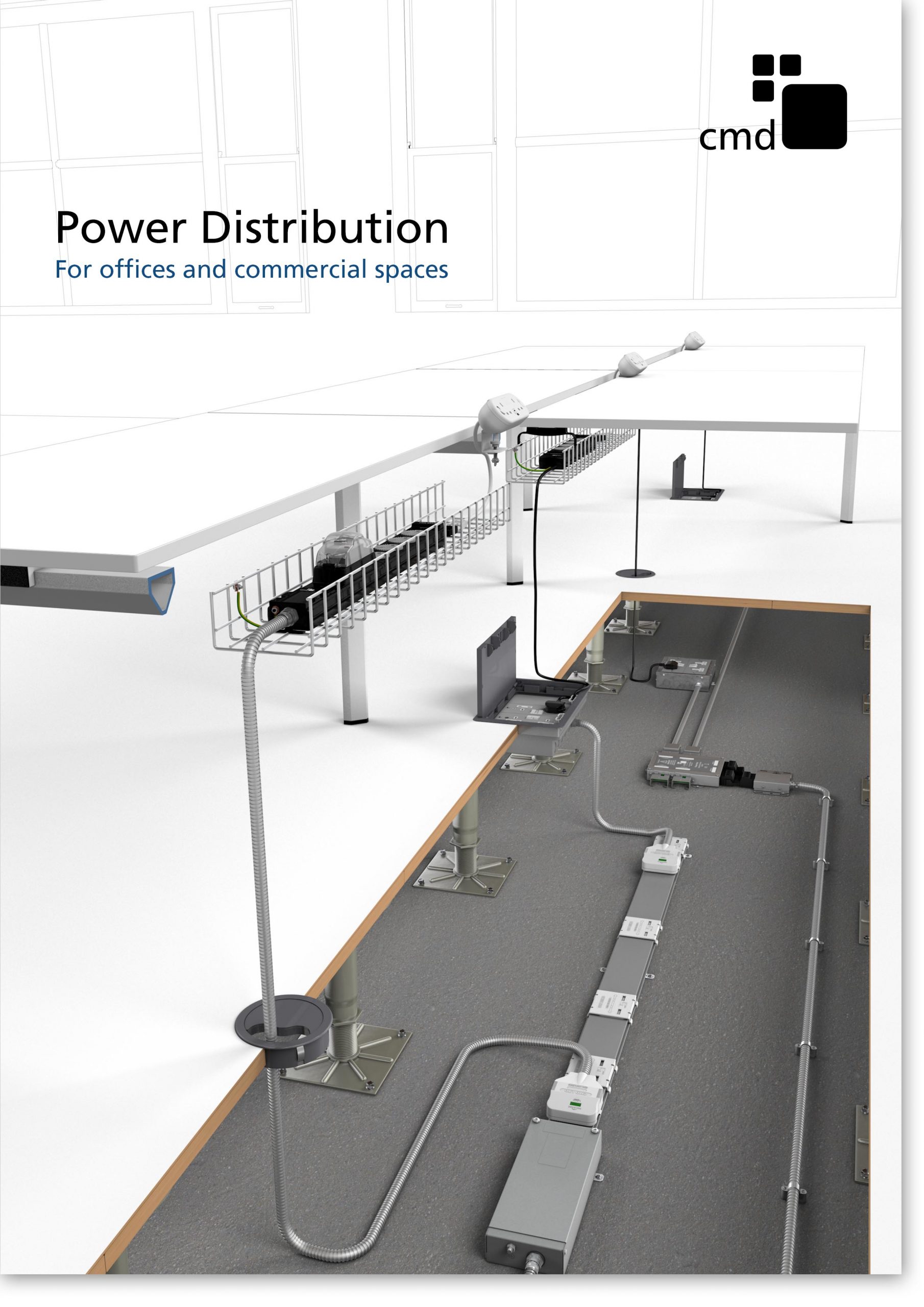
CMD CATALOGUE PROVIDES TECHNICAL POWER DISTRIBUTION GUIDE

CMD Ltd has released a new catalogue, providing an easy to follow technical guide to our power distribution systems and plug and play desk modules. Detailing CMD’s full range of UK-manufactured power distribution systems and plug and play desk modules, the catalogue will be a helpful source of information to M&E engineers and contractors alike to understand how our power distribution systems connect together and...

Read more
Power Distribution Catalogue
CMD Ltd PLAYS ESSENTIAL ROLE IN ELECTRICAL FIT OUT AT LONDON’S PRESTIGIOUS OFFICE DEVELOPMENT

CMD Ltd, specialist in workplace connectivity and ergonomic solutions, has provided a flexible and high-quality power distribution network for The Ray, a prestigious office development in London’s Farringdon. Well-known for being the former site of The Guardian newspaper, The Ray now stands as an 83,000ft² office development characterised by a modernised warehouse aesthetic, with level two now occupied by a global social media company. The...

Read more
The Ray
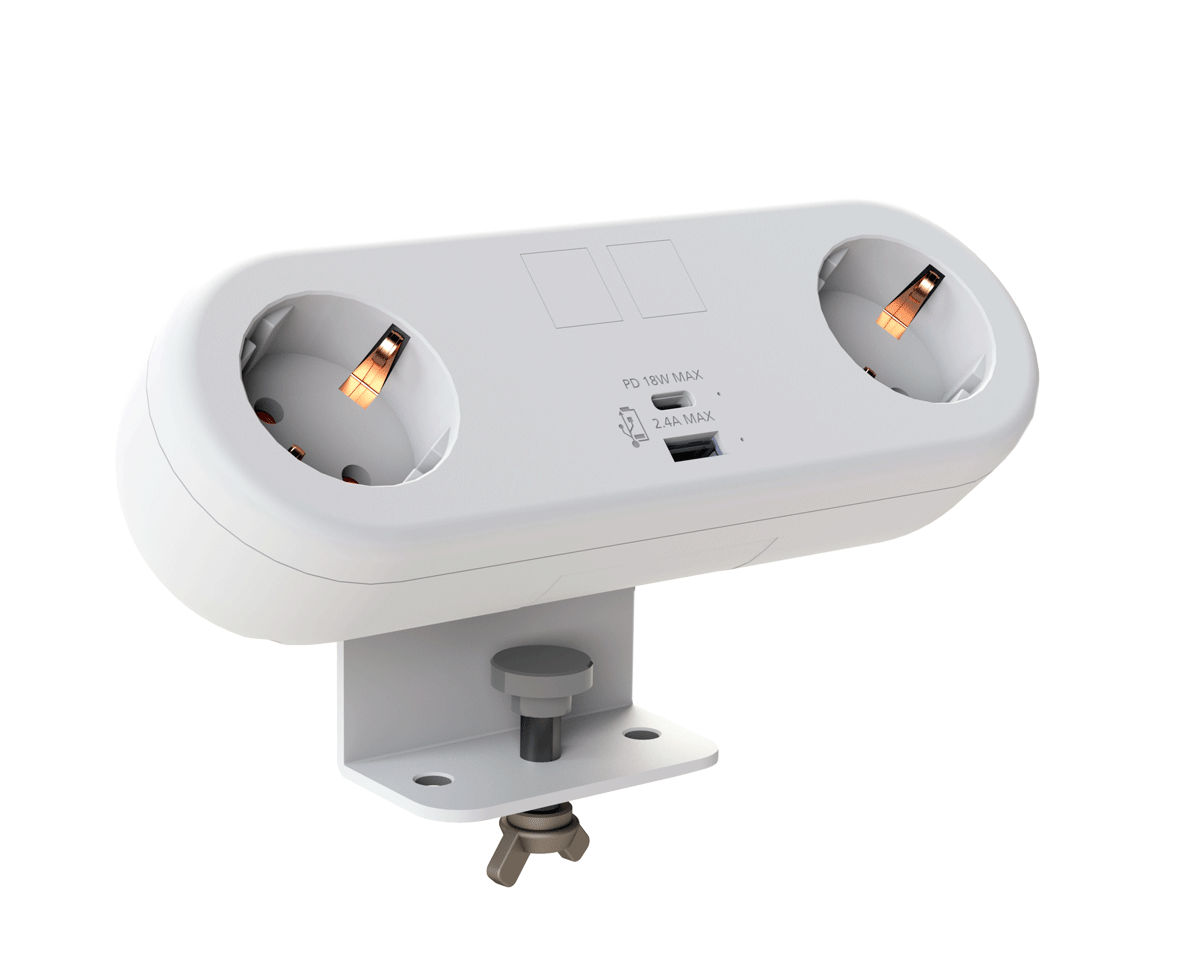
CMD plugs in to european opportunity with Schuko Capsule unit launch

CMD Ltd, the specialist in power and connectivity solutions for commercial environments, has launched a Schuko version of its popular fixed format Capsule workstation power module for export to mainland Europe and beyond. A popular on desk power module comprising two sockets and dual USB (type A and C) chargers, CMD’s Capsule unit is already widely specified in the UK as an off-the-shelf workstation power...

Read more
CMD White Schuko Capsule Desk Power Module
CMD LTD EXTENDS MONITOR ARM RANGE WITH THE LAUNCH OF REACH PLUS

CMD Ltd, the specialist in ergonomic and connectivity solutions for commercial interiors, has completed its Reach monitor arm range with the launch of the Reach Plus. Available in single or dual screen options, the Reach Plus has been designed to provide an ideal solution for both single and dual screen workstation configurations, or can be used with next generation of large format curved screens. Suitable...

Read more
CMD Ltd DEMONSTRATES THE ART OF POWER DISTRIBUTION AT THE UNIVERSITY OF WARWICK

CMD Ltd, the specialist in workplace connectivity and ergonomic solutions, has provided Betatrak busbar power distribution and a range of electrical accessories for two major capital investment projects at the University of Warwick. Designed by Fielden Clegg Bradley Studios, the £33 million Faculty of Arts building is a showpiece development comprising four interconnected structures set around a central atrium, which will enable inter-disciplinary collaboration across...

Read more
University of Warwick
CMD BRINGS HARMONY TO COVENTRY UNIVERSITY RESEARCH FACILITIES

CMD Ltd, the specialist in power distribution solutions and workstation power and ergonomics, has provided under desk and on desk power modules for the refurbishment of three Coventry University research buildings. Located on Coventry University Technology Park, a business park designed to encourage collaboration between the university and knowledge-based businesses, the three buildings are being repurposed as office accommodation for university research teams. The refurbishment...

Read more
Coventry University

2026 How to Choose Dispenser Pump Solutions?

Choosing the right dispenser pump is no longer a simple packaging decision. It affects product protection, user experience, manufacturing efficiency, and environmental performance. The 2026 market will demand more than attractive packaging.

Industry research supports this shift. Smithers’ packaging outlook reports continued investment in recyclable, lightweight, and resource-efficient formats. McKinsey’s consumer packaging research also shows that sustainability strongly influences purchasing decisions, although convenience and product safety remain essential. These findings matter for Dispensers Pump Solutions because a pump must perform reliably while supporting broader packaging goals.

A practical evaluation begins with the formula. A thick facial cream may require a wider passage, stronger spring force, and slower output. A watery sanitizer needs controlled dosing and a reliable return mechanism. Test both on the production line and in real user conditions. Small details matter, including dip-tube length, actuator comfort, closure torque, leakage resistance, and compatibility with alcohols, oils, acids, or surfactants.

Standards provide useful discipline. ISO 15378 supports quality practices for primary packaging materials, while ISO 9001 helps structure supplier and process controls. These standards do not replace product-specific testing. They guide it.

No selection method is perfect. A laboratory test may not reveal a pump’s behavior after months of storage. A low unit price can hide higher failure rates, waste, or customer complaints. Therefore, buyers should compare total cost, documented test results, recyclability, supply stability, and technical support. The best choice is rarely the cheapest pump. It is the solution that remains consistent from filling line to the final hand press.

2026 How to Choose Dispenser Pump Solutions?

Define the Use Case: Match 2026 Pumps to 0.5–5 mL Dose Requirements

In 2026, choosing a dispenser pump starts with the actual use case, not the catalog image. A 0.5 mL dose needs different control from a 5 mL dose. Consider product viscosity, container size, closure design, and the required dosing speed. A thick cream may need a wider flow path, while a thin liquid may require stronger anti-drip control. The hand feel matters too. Users notice resistance after only a few presses.

Tips: Test the smallest and largest doses. Measure ten consecutive actuations. Check the average volume, variation, leakage, and reset behavior. Run tests at different temperatures. Small details can change results. Also inspect priming performance after storage. A pump that works well on the first trial may hesitate later. That is easy to miss.

Reliable selection combines technical data with practical testing. Ask for tolerance information, material compatibility, and clear maintenance guidance. Confirm that the pump protects the formula from unnecessary air exposure. For 0.5–5 mL applications, dose accuracy should be reviewed alongside ergonomics and production efficiency. In real evaluations, packaging geometry can affect output more than expected. I have found that “universal” solutions often need adjustment. This is where careful sampling, documented results, and feedback from operators become valuable. Do not judge performance from one successful press. Consistency is the real measure.

Classify Formula Viscosity: Choose Pumps for 1–100,000 cP Fluids

2026 How to Choose Dispenser Pump Solutions?

Formula viscosity should guide the pump before container design begins. A fluid at 1 cP behaves almost like water. A 100,000 cP cream moves slowly and may trap air. Viscosity also changes with temperature, shear rate, and storage time. ASTM D2196 recommends rotational testing for non-Newtonian materials, which many creams and gels are. Do not select a pump from a single room-temperature reading.

1–1,000 cP For 1–1,000 cP liquids, a spring-loaded check valve or suitable dip-tube dispenser can support clean, repeatable dosing.

1,000–20,000 cP From 1,000–20,000 cP, larger flow paths and stronger piston action usually become important.

Above 20,000 cP Above 20,000 cP, piston, progressive-cavity, or air-assisted systems may perform better.

Test the actual formula, not only a laboratory substitute. A 100,000 cP balm can still dispense poorly after cooling overnight. McKinsey’s 2023 beauty market report estimates the sector may approach 580 billion dollars by 2027, increasing pressure for reliable, high-volume dispensing. Grand View Research also identifies continued growth in cosmetic packaging, where dosing accuracy affects product waste and user experience.

Tips:

Measure viscosity at real filling and consumer temperatures. Record torque, output weight, priming time, and residual product. Check whether the formula contains particles. I have seen apparently correct pumps fail after a small nozzle change. That detail is easy to miss. Keep a 10–20% performance margin, but confirm it through repeated trials. Over-sizing can increase cost and damage delicate textures. Sometimes, the “best” pump is only the least sensitive compromise.

Set Dispensing Accuracy: Compare ±5% Variation Over 30 Test Cycles

2026 How to Choose Dispenser Pump Solutions?

Set dispensing accuracy means more than reading one impressive test result. A reliable pump should maintain ±5% variation across 30 test cycles, not only during the first few shots. In practical testing, collect each dose by weight and record the results in a simple table. Check the average volume, minimum dose, maximum dose, and cycle-to-cycle drift. I have found that early consistency can hide gradual changes after repeated operation.

Use the same fluid, container, temperature, and operating speed for every cycle. Viscosity changes can affect flow, even when the pump settings remain unchanged. Watch for air bubbles, seal movement, and liquid residue around the outlet. These small details can explain an unexpected tenth cycle failure. A perfect result on paper may still feel unstable in daily use. That is worth questioning.

Tips: Run three 30-cycle tests on different days. Calibrate the scale before each test. Let the pump rest, then repeat the measurement. Compare operators too, because hand pressure and timing can influence results. Do not judge accuracy from the average alone. A narrow range is usually more useful. If one cycle falls outside ±5%, investigate the cause instead of deleting the data. Reliable selection comes from repeatable evidence, clear records, and honest review of weak points.


Screen Compatibility: Test pH 3–10, Alcohol, Oils, and Surfactants

How to Choose Dispenser Pump Solutions in 2026?

Screen compatibility should begin with the real formula, not a water sample. In practical evaluations, I test pH 3–10 across several temperatures. I also expose the pump to alcohol, oils, and surfactants. Small parts matter. The gasket, spring, dip tube, and actuator may react differently. A clear dip tube can become cloudy after repeated exposure. An elastomer may swell, soften, or lose its seal.

Use filled samples whenever possible. Measure dose weight before testing and after storage. Check priming, leakage, spray pattern, and return speed. Record results after one day, one week, and extended cycling. A pump that works perfectly on day one may become stiff later. That delay is easy to miss. Keep samples upright and inverted, because shipping and storage conditions vary. Temperature changes can reveal weaknesses quickly.

Do not treat one successful test as proof of universal compatibility. Formula ingredients interact, and laboratory conditions rarely match daily use. I have seen a stable-looking pump fail after repeated actuation with an oil-rich product. The test plan was too short. That mistake was useful, but expensive.

Ask for material information, define acceptance limits, and repeat testing with production samples. Compatibility is not only chemical resistance. It also includes consistent dosing, comfortable operation, and reliable sealing throughout the product’s intended life.

Verify Durability and Circularity: 10,000+ Actuations and ISO 18604

How to Choose Dispenser Pump Solutions?

A dispenser pump should survive real use, not only a showroom demonstration. Specify at least 10,000 complete actuations, including full strokes and repeated pauses. Test output weight, leakage, spring recovery, and lock performance after cycling. Use the intended formula, because viscosity can change the result. Temperature matters too. A pump may pass at 23°C and struggle in a cold warehouse.

The OECD Global Plastics Outlook reports that plastic packaging created about 142 million tonnes of waste in 2019, nearly 40% of total plastic waste. This makes circular design a practical requirement, not a marketing phrase.

ISO 18604 provides guidance for packaging designed for material recycling. It encourages compatible materials, suitable components, and effective collection and sorting pathways. However, ISO 18604 does not prove that every pump will be recyclable in every market.

Check the Whole Package

Check the whole package. Minimize mixed materials, avoid unnecessary coatings, and confirm whether the actuator, dip tube, collar, and container can enter the same recycling stream. Request documented material identification and test conditions.

A 10,000-cycle result is useful, not magical. It may hide failures caused by long storage, transport vibration, or formula residue. We should admit that circularity claims remain incomplete without local recycling evidence. A reliable specification combines laboratory endurance, field trials, and clear post-use instructions. That is where professional judgment still matters.

Article Source: