

News

Miro: A New Standard in Responsible Innovation

Miro: A New Standard in Responsible Innovation The Miro monitor arm is setting new benchmarks in sustainability. It offers a high-performance solution without compromising on environmental responsibility. Designed with careful material selection, local sourcing, and longevity in mind, Miro’s responsible approach to design and unique manoeuvrability set it apart from the competition. Sustainable Choices Miro is crafted from energy-efficient materials with a lower carbon impact....

Read more
HSE Advisor

Role Purpose Support in the development, implementation and maintenance of the company’s Health, Safety & Environmental policies, processes, operational procedures, and standards.  Ensuring best practice and championing a continually improving HSE culture within the business. Key Responsibilities Liaise with and provide support to all areas of the business to eliminate, mitigate or reduce identified HSE exposures. Partner with the production management team and team leaders,...

Read more
CMD Ltd LAUNCHES 48-HOUR TURNAROUND ON BETATRAK® RAPID ORDERING SERVICE

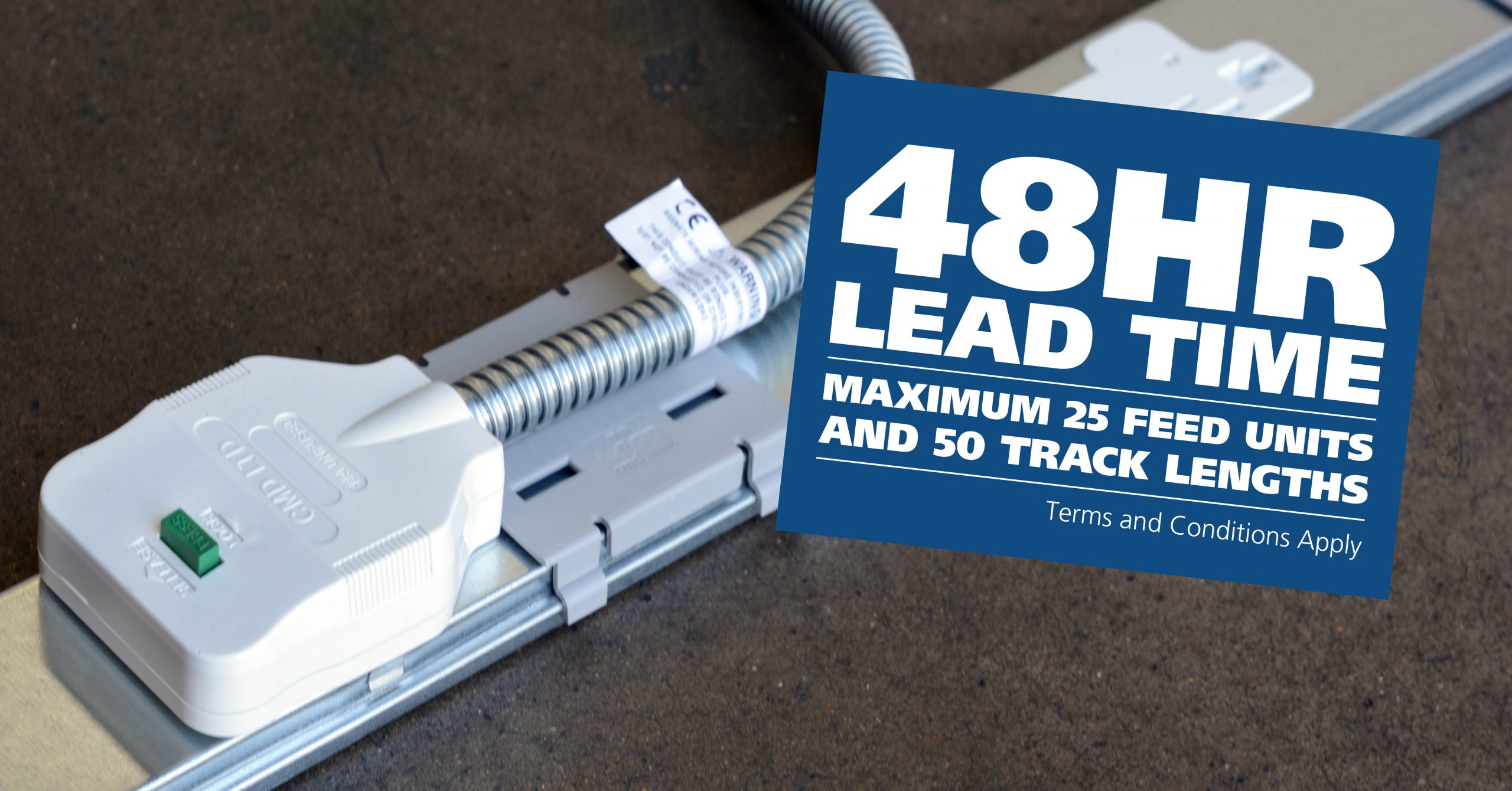
CMD Ltd, the specialist in power distribution systems, workstation power and monitor arms, has launched a rapid ordering service for its Betatrak® underfloor powertrack distribution systems and accessories, with a commitment to delivering within 48-hours of an approved purchase order*. The service enables customers to order up to 50 lengths of Standard or Clean Earth (C/E) low noise Betatrak, along with up to 25 feed...

Read more
CMD INVESTS £1/4 MILLION IN NEW MACHINE AS PART OF FACTORY UPGRADE

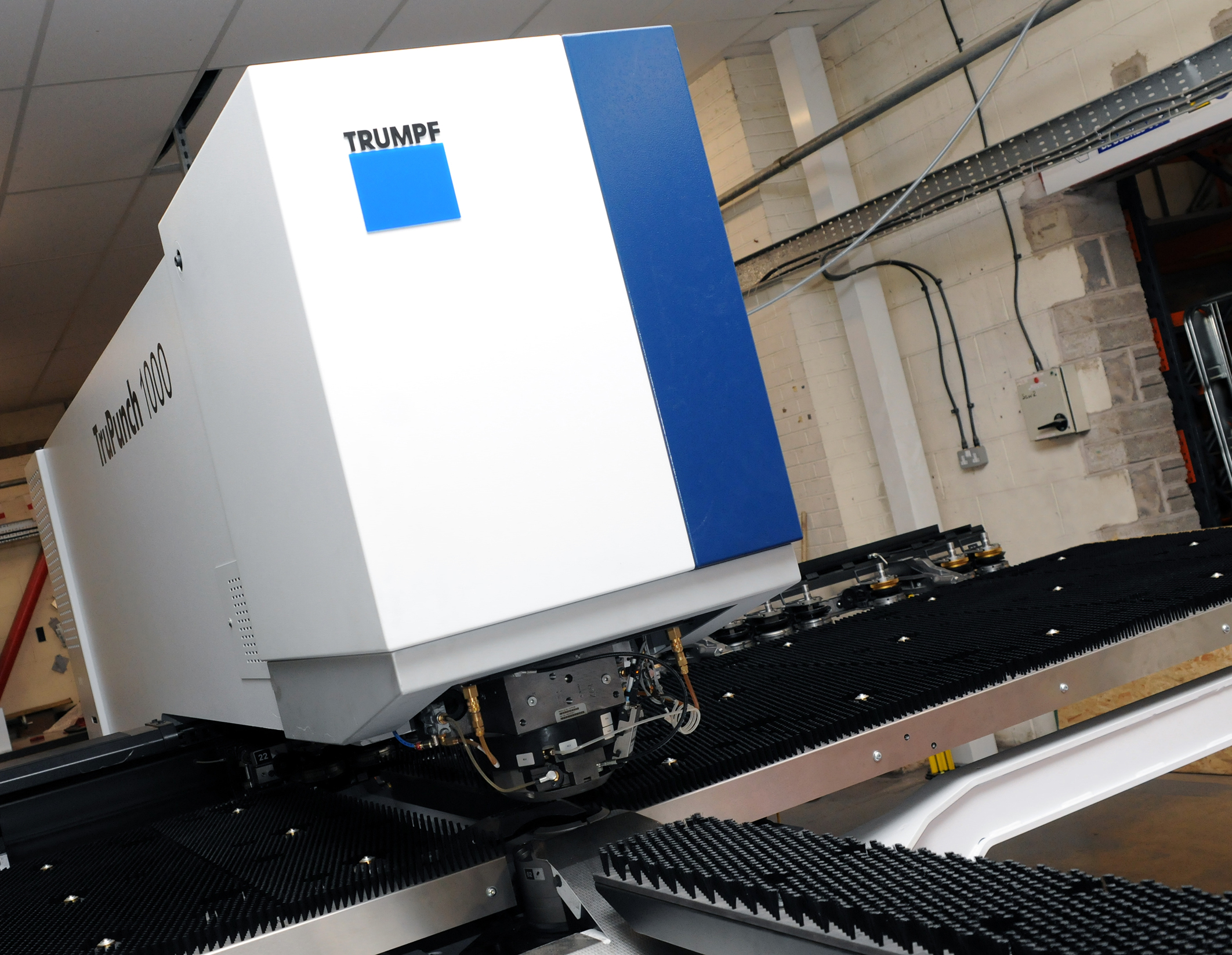
We have invested in a new £1/4m TRUMPF CNC metal punch as part of an asset renewal strategy for our UK manufacturing capability. The new machine will be used in the production of a wide variety of our power distribution systems and workstation power products at our Rotherham factory. Suitable for handling sheet metal between 0.9mm and 3.0mm thick, the new machine will replace one...

Read more
CMD CATALOGUE PROVIDES TECHNICAL POWER DISTRIBUTION GUIDE

CMD Ltd has released a new catalogue, providing an easy to follow technical guide to our power distribution systems and plug and play desk modules. Detailing CMD’s full range of UK-manufactured power distribution systems and plug and play desk modules, the catalogue will be a helpful source of information to M&E engineers and contractors alike to understand how our power distribution systems connect together and...

Read more
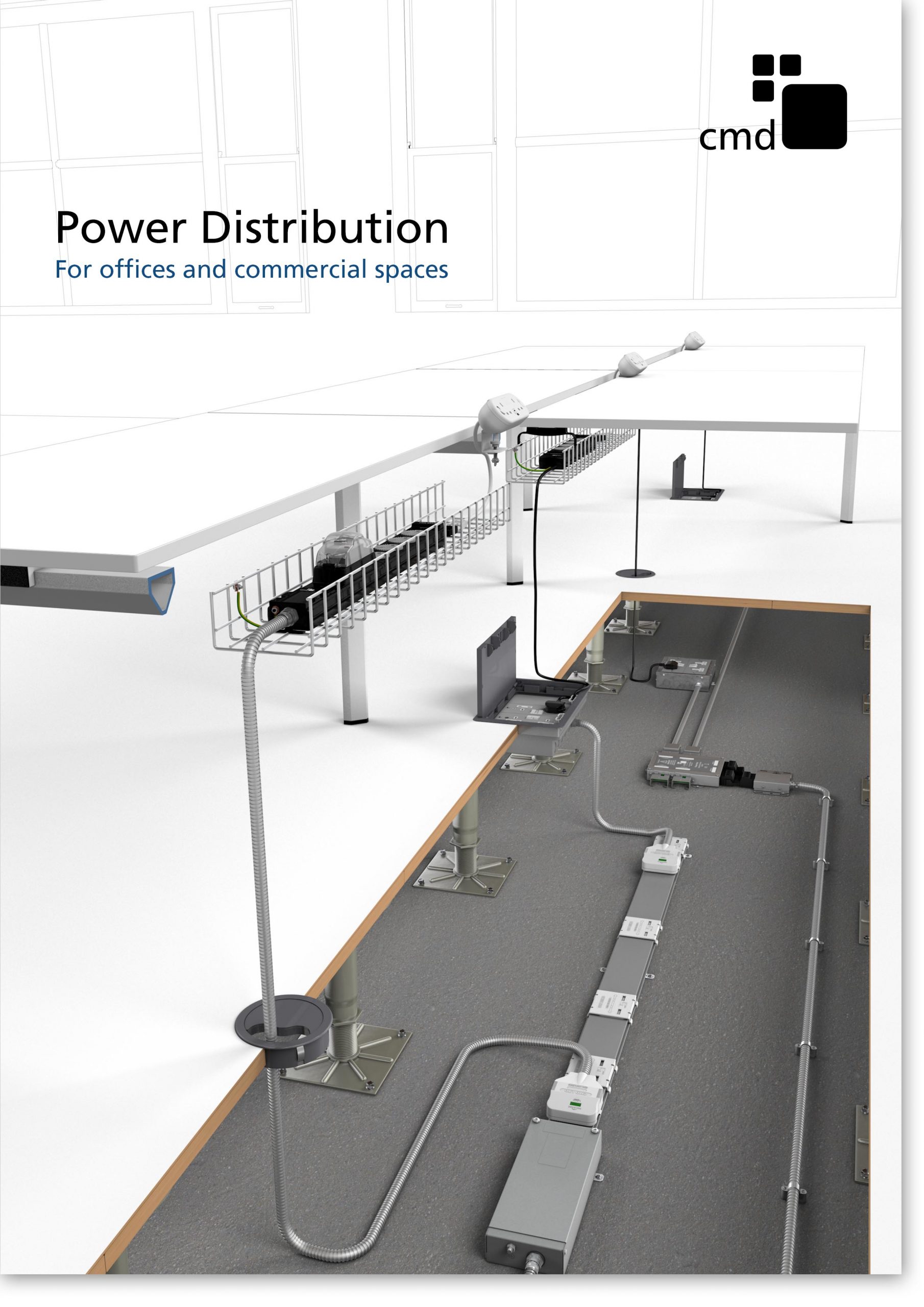
Power Distribution Catalogue
CMD Ltd PLAYS ESSENTIAL ROLE IN ELECTRICAL FIT OUT AT LONDON’S PRESTIGIOUS OFFICE DEVELOPMENT

CMD Ltd, specialist in workplace connectivity and ergonomic solutions, has provided a flexible and high-quality power distribution network for The Ray, a prestigious office development in London’s Farringdon. Well-known for being the former site of The Guardian newspaper, The Ray now stands as an 83,000ft² office development characterised by a modernised warehouse aesthetic, with level two now occupied by a global social media company. The...

Read more

The Ray
CMD plugs in to european opportunity with Schuko Capsule unit launch

CMD Ltd, the specialist in power and connectivity solutions for commercial environments, has launched a Schuko version of its popular fixed format Capsule workstation power module for export to mainland Europe and beyond. A popular on desk power module comprising two sockets and dual USB (type A and C) chargers, CMD’s Capsule unit is already widely specified in the UK as an off-the-shelf workstation power...

Read more
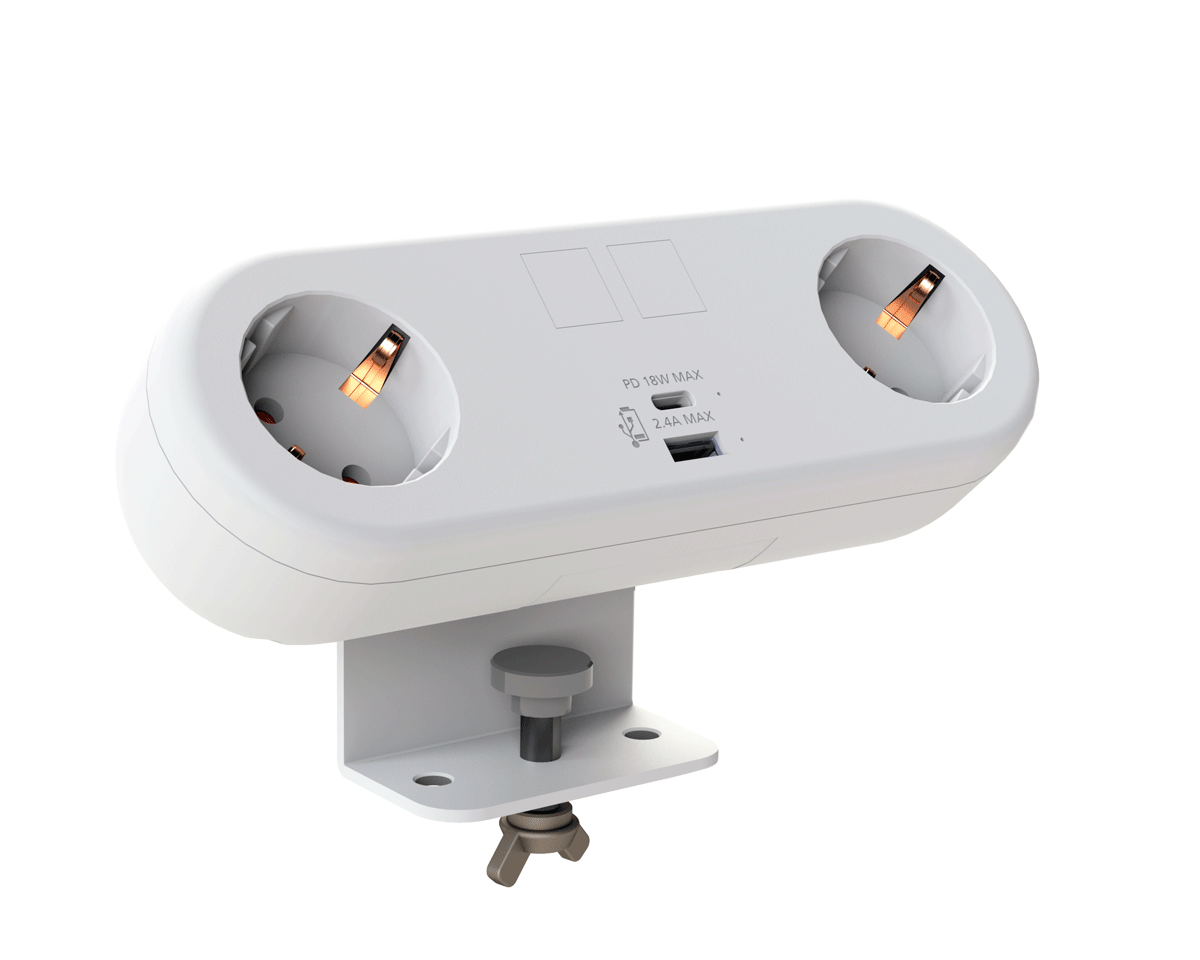
CMD White Schuko Capsule Desk Power Module
CMD LTD EXTENDS MONITOR ARM RANGE WITH THE LAUNCH OF REACH PLUS

CMD Ltd, the specialist in ergonomic and connectivity solutions for commercial interiors, has completed its Reach monitor arm range with the launch of the Reach Plus. Available in single or dual screen options, the Reach Plus has been designed to provide an ideal solution for both single and dual screen workstation configurations, or can be used with next generation of large format curved screens. Suitable...

Read more
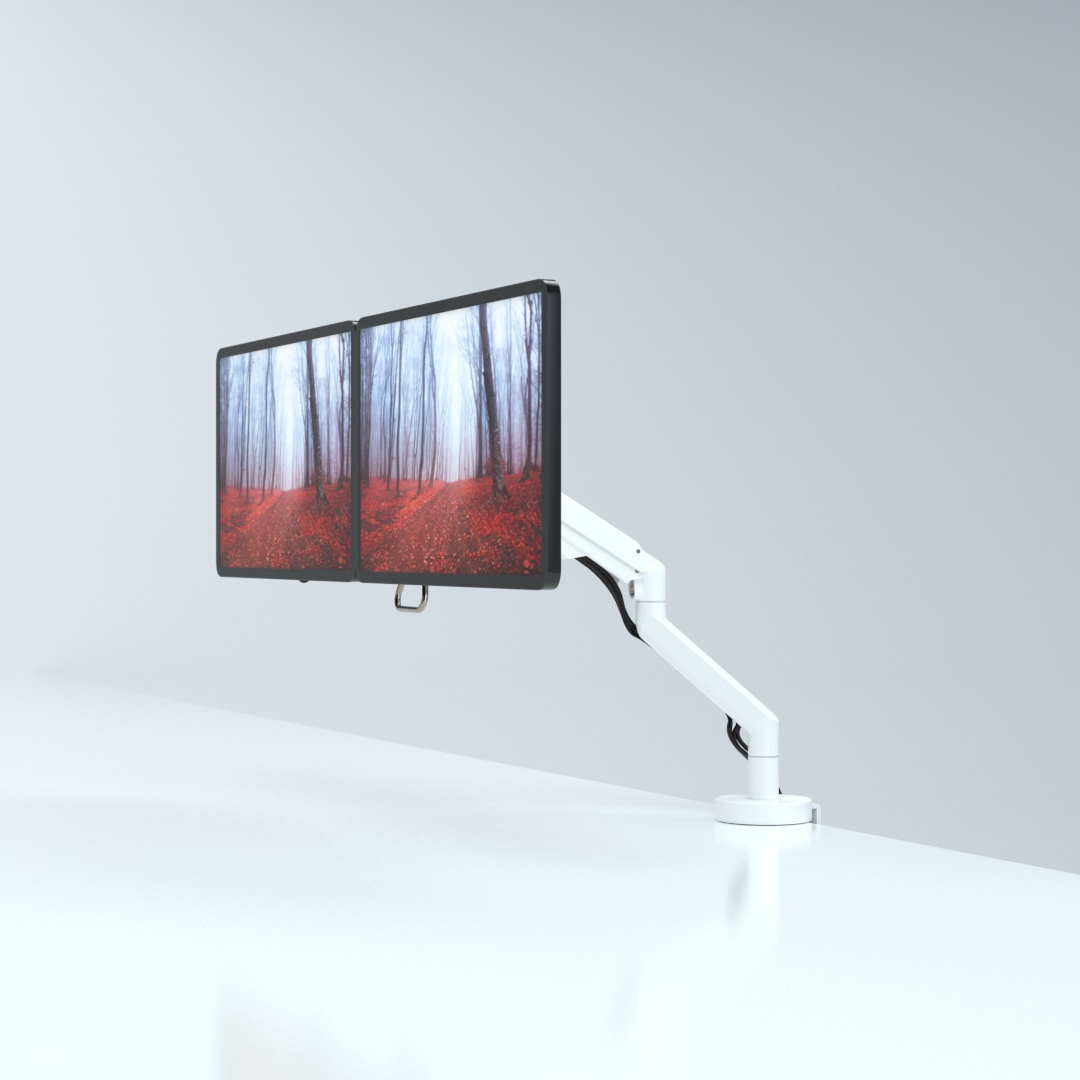
CMD Ltd DEMONSTRATES THE ART OF POWER DISTRIBUTION AT THE UNIVERSITY OF WARWICK

CMD Ltd, the specialist in workplace connectivity and ergonomic solutions, has provided Betatrak busbar power distribution and a range of electrical accessories for two major capital investment projects at the University of Warwick. Designed by Fielden Clegg Bradley Studios, the £33 million Faculty of Arts building is a showpiece development comprising four interconnected structures set around a central atrium, which will enable inter-disciplinary collaboration across...

Read more

University of Warwick
CMD BRINGS HARMONY TO COVENTRY UNIVERSITY RESEARCH FACILITIES

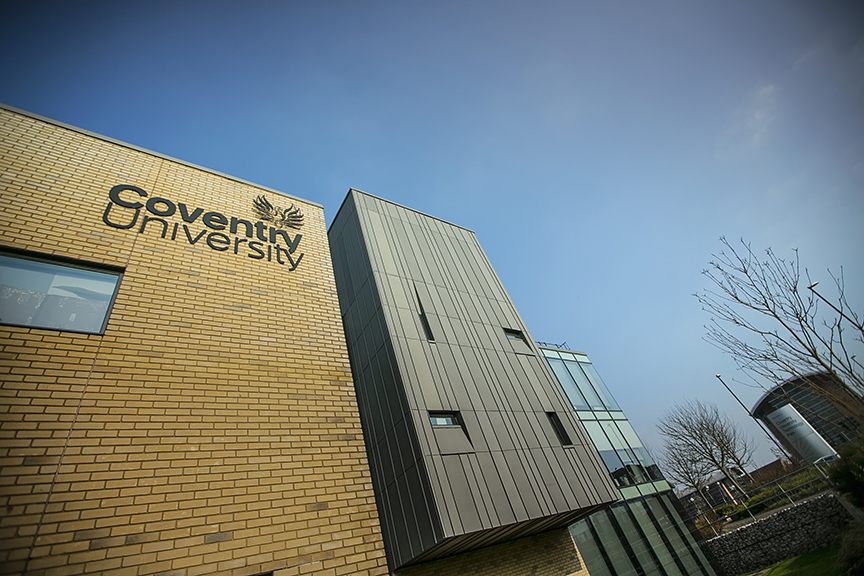
CMD Ltd, the specialist in power distribution solutions and workstation power and ergonomics, has provided under desk and on desk power modules for the refurbishment of three Coventry University research buildings. Located on Coventry University Technology Park, a business park designed to encourage collaboration between the university and knowledge-based businesses, the three buildings are being repurposed as office accommodation for university research teams. The refurbishment...

Read more
Coventry University

2026 Best Abrasive Metal Cutting Disc for Buyers?

Choosing the best Abrasive Metal Cutting Disc in 2026 requires more than comparing prices. Buyers need dependable cutting performance, safe operation, and consistent production quality. A disc that slices mild steel smoothly may struggle with stainless steel or thicker sections. The right choice depends on the metal type, material thickness, grinder compatibility, disc diameter, and maximum operating speed.

Small details matter.

During practical workshop use, cutting speed, edge quality, vibration, and spark control reveal a disc’s real value. A thin disc may reduce material loss and create faster cuts. However, it can feel less stable when used incorrectly. Thicker discs may offer greater rigidity, but they can remove more material and require additional pressure. Experienced buyers should review manufacturer specifications, certified safety information, batch consistency, and independent performance evidence before purchasing.

No single wheel fits every workshop.

This guide examines the key factors behind a reliable Abrasive Metal Cutting Disc, including abrasive grain, bonding strength, reinforcement layers, storage, and service life. It also compares common buying priorities for fabricators, maintenance teams, contractors, and industrial users. Practical observations are included, because catalog claims do not always match field conditions. Even experienced professionals can overlook heat buildup or incorrect mounting. That weakness deserves attention. A careful buying decision balances cutting efficiency, operator control, total cost, and verified safety requirements. The best option is not always the fastest disc. It is the disc that performs predictably for the intended metal, equipment, and working environment.

2026 Best Abrasive Metal Cutting Disc for Buyers?

What Is an Abrasive Metal Cutting Disc?

An abrasive metal cutting disc is a thin, reinforced wheel that removes metal through controlled abrasion. It contains abrasive grains, resin bonding material, and fiberglass reinforcement. Aluminum oxide suits common steel, while harder grain types may improve cutting on stainless steel. The disc does not slice like a saw. Its exposed grains fracture and create a narrow kerf, producing sparks, heat, and fine dust.

The choice depends on metal hardness, disc thickness, diameter, and machine speed. A practical inspection should check the printed maximum RPM, visible cracks, edge damage, and correct mounting. The European Federation of Abrasive Producers identifies speed control, guarding, and flange condition as key safety factors. Small details matter. A loose flange can cause vibration, uneven wear, and a rough burr.

Market research published in 2024 estimated that the global abrasives market would grow at roughly 4–6% annually through the decade. That expansion reflects demand from fabrication, construction, transportation, and maintenance. However, market growth does not make every disc suitable. A thinner disc may cut faster, yet it can feel less stable during heavy steel work. A thicker disc may last longer, but it can generate more heat. Buyers should compare actual cutting performance, not only package claims. This remains an imperfect decision, especially when material grade and operator technique vary.

2026 Best Abrasive Metal Cutting Disc for Buyers? - What Is an Abrasive Metal Cutting Disc?

Buyer-oriented comparison of common reinforced abrasive metal cutting disc specifications and suitable applications.

Disc Category Typical Diameter Typical Thickness Common Bore Size Abrasive Type Typical Grit Suitable Materials Typical Maximum Speed* Best Use Key Buying Considerations
Ultra-Thin Handheld Disc 100–125 mm 0.8–1.2 mm 16 mm or 22.23 mm Aluminum oxide Cutting-grade coarse grit, commonly 30–46 Carbon steel, mild steel, galvanized steel Up to approximately 13,300 rpm for 100/115 mm discs; follow the disc label Fast, low-burr cuts on sheet metal, tubing, bolts and thin profiles Choose a reinforced disc with low side pressure resistance and a diameter approved for the angle grinder
General-Purpose Handheld Disc 115–125 mm 1.2–1.6 mm 22.23 mm Aluminum oxide or ceramic-blend abrasive 30–46 Mild steel, structural steel, stainless steel with the correct formulation Approximately 12,250–13,300 rpm, depending on diameter and product rating Everyday workshop and maintenance cutting Balance cutting speed, service life, edge quality and compatibility with the workpiece
Stainless-Steel Cutting Disc 100–125 mm 1.0–1.6 mm 16 mm or 22.23 mm Low-iron aluminum oxide or specialized abrasive blend 30–46 Stainless steel, acid-resistant steel and other corrosion-resistant alloys Commonly up to 12,250–13,300 rpm for 115–125 mm sizes Cutting stainless tube, sheet, bar and small profiles Use a disc specifically marked for stainless steel and low iron, sulfur and chlorine contamination
Heavy-Duty Handheld Disc 180–230 mm 1.6–2.5 mm 22.23 mm Aluminum oxide with fiberglass reinforcement 30–46 Carbon steel, angle iron, thick-wall tube and larger sections Approximately 6,650–8,500 rpm, depending on diameter Deeper cuts and longer work cycles on large metal sections Confirm guard size, spindle compatibility, rated rpm and the grinder’s power output
Stationary Chop-Saw Disc 300–355 mm 2.5–3.2 mm 25.4 mm or application-specific bore Aluminum oxide 24–36 Steel bar, pipe, channel, angle and other workshop stock Typically about 3,800–5,100 rpm, depending on diameter and machine Repeatable straight cuts in a fixed abrasive cut-off saw Disc speed must be equal to or greater than the saw’s no-load speed; use the correct mounting flanges
High-Productivity Disc 115–125 mm 1.0–1.6 mm 22.23 mm Ceramic or premium ceramic-aluminum oxide blend 30–46 Carbon steel, alloy steel and demanding fabrication materials Usually up to the rated speed for the disc diameter, often 12,250–13,300 rpm High cutting volume where reduced cutting time is important Higher purchase cost may be justified by faster cutting and consistent performance; verify material suitability
Thin-Sheet Precision Disc 100–115 mm 0.8–1.0 mm 16 mm or 22.23 mm Fine aluminum oxide or ceramic-blend abrasive 46–60 Thin steel sheet, wire, small tubing and light-gauge profiles Up to approximately 13,300 rpm, subject to the manufacturer’s rating Clean, narrow cuts with limited material loss Use light, steady feed pressure and avoid twisting the disc in the cut
Aluminum-Cutting Abrasive Disc 115–125 mm 1.2–1.6 mm 22.23 mm Specialized non-loading abrasive formulation 24–46 Aluminum profiles, sheet and non-ferrous sections Typically up to 12,250–13,300 rpm for common handheld sizes Cutting aluminum where standard steel discs may load or clog Select a disc explicitly rated for aluminum; do not substitute a general steel disc without confirmation
Petrol-Saw or Large Cut-Off Disc 300–400 mm 3.0–4.0 mm 20 mm, 25.4 mm or machine-specific bore Heavy-duty aluminum oxide with multiple fiberglass layers 24–36 Large steel pipe, rail sections, heavy structural steel and cast iron where approved Machine-specific; commonly about 3,800–6,400 rpm Field cutting and heavy-duty sectioning with compatible equipment Check machine approval, disc diameter, bore, guard, cutting direction and vibration requirements
*Maximum speed values are representative ranges, not universal ratings. Always use the lower of the disc’s marked maximum speed and the tool’s no-load speed. Abrasive cutting discs are designed for cutting only; do not use the side of a cutting disc for grinding. Select products compliant with applicable safety requirements such as EN 12413 or ANSI B7.1 where relevant.

How to Compare Disc Materials, Sizes, and Cutting Performance

2026 Best Abrasive Metal Cutting Disc for Buyers?

How to Compare Disc Materials, Sizes, and Cutting Performance

Choosing a cutting disc starts with the workpiece, not the price. Aluminium oxide suits carbon steel and general fabrication. Zirconia-alumina cuts harder alloys with stronger grain retention. Silicon carbide is useful for cast iron, masonry, and some non-ferrous materials, but it can wear quickly on steel. The U.S. Geological Survey’s 2025 Mineral Commodity Summaries reports global crude steel production above 1.8 billion metric tons in 2024. That scale explains the wide range of disc specifications now available.

Diameter affects reach, speed, and tool compatibility. A 115 mm disc offers control in tight spaces. A 230 mm disc cuts deeper but demands better handling. Check the disc’s maximum revolutions per minute against the grinder’s rating. Never ignore bore size, thickness, or the required safety standard, such as EN 12413. Cutting speed also depends on pressure. Excessive force creates heat, edge discoloration, and premature grain loss. I have found that a slightly slower cut often leaves a cleaner edge. That is not always the fastest method.

Tips: Compare cuts per disc, not only purchase price. Test three identical pieces first. Record cutting time, burr size, vibration, and disc wear. The results may challenge the supplier’s specification. The Freedonia Group’s Industrial Abrasives industry analysis also highlights application-specific performance as a major purchasing factor. A disc that performs well on mild steel may disappoint on stainless steel. Choose based on evidence from your actual material.

Which Abrasive Disc Best Fits Different Metals and Cutting Tools?

Choosing an abrasive cutting disc starts with the metal, not the lowest price. Mild steel usually cuts efficiently with an aluminum-oxide disc. Stainless steel needs a low-contamination disc, often marked iron-free. Otherwise, embedded particles may create rust spots later. Aluminum is softer and can clog ordinary wheels, so use a disc designed for non-ferrous metals. Cast iron is harder and dusty; a reinforced disc with stable side support is safer for repeated cuts.

Tool choice changes the answer. A 115 mm angle grinder suits light tubing and sheet, while a chop saw offers better control on thick bar stock. Match the disc diameter, bore, and maximum speed exactly. EN 12413 limits reinforced bonded wheels to defined safety requirements, and many cutting wheels are rated near 80 m/s peripheral speed. Never exceed the printed rating. Grand View Research’s 2024 abrasives market analysis values the global market at roughly US$47 billion in 2023, showing how broad this product category has become. That size can confuse buyers. More abrasive is not always better.

In workshop testing, a 1.0–1.6 mm disc often produces faster, cooler cuts on thin steel. Thicker 2.5–3.2 mm discs tolerate heavier work but remove more material. The practical mistake is choosing one wheel for every metal. It saves storage space, sometimes. It also increases clogging, heat, and uneven edges. I would inspect the cut face after ten passes, not trust packaging alone. A sharp edge, rising sparks, or blue discoloration signals a poor match.

How to Evaluate Safety, Durability, and Operating Compatibility

Choosing the best abrasive metal cutting disc in 2026 requires more than comparing prices or advertised speed. Safety should be checked first. Inspect the disc for cracks, moisture damage, uneven edges, and clear markings. Confirm its maximum RPM exceeds the grinder’s rated speed. The disc must also match the tool’s diameter, bore size, guard, and operating method. A mismatch can create dangerous vibration.

Durability depends on the abrasive grain, bonding system, reinforcement layers, and the metal being cut. Stainless steel, carbon steel, and thick structural sections produce different heat and resistance. In practical workshop testing, a durable disc cuts steadily without excessive pressure. It leaves a narrow kerf and produces controlled sparks. Excessive burning often shows poor technique, unsuitable disc selection, or both. Cutting speed alone can mislead buyers.

Operating compatibility also includes storage and handling. Keep discs dry, flat, and protected from impact. Never use a disc that was dropped, even if damage is not visible. Follow the product’s safety standard and the grinder manufacturer’s instructions. A disc rated for general steel may perform poorly on harder alloys.

I have seen buyers choose the thinnest disc for speed, then replace it repeatedly because it wears too quickly. That choice was not entirely wrong, but the material thickness and daily workload were ignored. Careful trial records, including cut time, heat, wear, and operator comfort, provide more reliable evidence than packaging claims.

How to Choose the Best Abrasive Metal Cutting Disc in 2026

Choosing the best abrasive metal cutting disc in 2026 starts with the metal, not the price. Carbon steel, stainless steel, and cast iron create different cutting demands. Match the disc’s abrasive formulation to the material. Check diameter, bore size, and maximum revolutions per minute against your tool. Never exceed the lower speed rating. A disc that fits poorly can vibrate, wander, or crack. Measure the workpiece thickness before ordering. Thin sheet needs a different balance than 20 mm plate.

For daily fabrication, I look for reinforced construction, clear markings, and consistent edge performance. A practical trial cut reveals more than a glossy product description. Watch the kerf, sparks, heat, and burrs. Excessive pressure usually signals a poor match or a dull disc. Let the disc cut at its own pace. Keep the grinder aligned, and avoid twisting during contact. A clean cut matters. Wear suitable eye, face, hand, and hearing protection.

Storage deserves attention. Moisture, heat, and careless stacking can weaken abrasive discs before use. Keep them dry, flat, and protected from impact. Inspect every disc for chips, distortion, or damage. I still recheck the speed label before fitting one, even after years around workshop tools. Habit prevents complacency. Selection is not perfectly predictable. The same disc may cut differently with changing pressure, alloy, and technique. Record real cutting results, then adjust the next purchase using evidence rather than assumptions.